
Why laundry factory need laundry tag
author: admin
2025-01-17

Why laundry factory need laundry tag
Laundry facilities play a crucial role in maintaining the cleanliness and safety of various industries, including healthcare, hospitality, and food service. However, with the sheer volume of linens and textiles processed by these facilities, it can be challenging to track and manage each item effectively. This is where RFID laundry tag come in.
Laundry RFID tags are specialized labels that are affixed to each item processed in a laundry facility. These tags typically contain important information such as the barcode, item name and number, laundry instructions, and date of manufacture. By utilizing laundry tags, laundry facilities can achieve several benefits.
Firstly, laundry tags help to improve the efficiency of laundry processes. With a unique identifier for each item, laundry facilities can track each item from check-in to check-out, ensuring that nothing is lost or misplaced. This helps to streamline the entire laundry process, reduce turnaround time, and improve overall productivity.
Secondly, laundry tags help to maintain the quality of laundered items. Each tag contains detailed laundry instructions, including water temperatures, detergents, and agitation methods. By following these instructions, laundry facilities can ensure that each item is cleaned properly and will last as long as possible.
Thirdly, laundry tags help to improve safety and hygiene in healthcare and food service environments. By affixing a unique identifier to each item, laundry facilities can ensure that each item is properly sanitized and has not been contaminated during the laundering process. This helps to prevent the spread of infections and diseases.
In conclusion, laundry labels are an essential component of laundry processes in healthcare, hospitality, and food service industries. By utilizing laundry tags, laundry facilities can improve efficiency, maintain quality, and ensure safety and hygiene of laundered items.
RFID tags: it has been implemented in every corner of our lives!
RFID tags play an important role in inventory management
Related Article

Against the backdrop of accelerated urbanization and a surge in motor vehicle ownership, traditional traffic management models face pain points such as low efficiency and difficult control. Specialized tags developed by RFID tag manufacturers for traffic scenarios, such as RFID License Plate Tag and UHF windshield tags, have been deeply integrated into the entire chain of vehicle control, parking management, and public transportation scheduling.
RFID Tags Powering Smart Traffic Management Upgrade
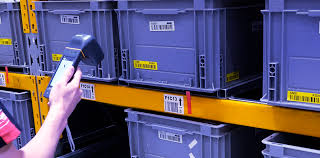
The global logistics sector is undergoing a transformative shift as RFID logistic labels emerge as the cornerstone of modern supply chain management. At the recently concluded Global Logistics Expo 2025, leading technology providers showcased cutting-edge RFID solutions designed to enhance traceability, reduce operational costs, and meet stringent compliance requirements across industries such as retail, healthcare, and food logistics.
RFID Logistic Labels Revolutionize Supply Chain Efficiency

In the era of Industry 4.0,RFID labels have emerged as a cornerstone of intelligent supply chain management, asset tracking, and consumer engagement. These compact devices, embedded with microchips and antennas, enable wireless data transmission, offering unparalleled efficiency compared to traditional barcodes. From retail to healthcare, RFID labels are revolutionizing operations across diverse sectors.
RFID Fin Tag Revolutionizes Retail Inventory Management
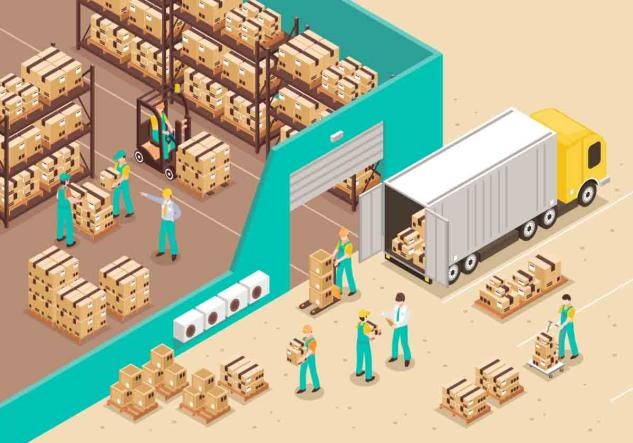
Relying on the advantages of batch identification of multiple tags and non-contact reading, RFID technology has realized the intelligent upgrading of the entire logistics link. Among them, the RFID UHF tags and RFID UHF tire tags developed by RFID tag manufacturers for logistics scenarios have solved the pain points of package management and transportation safety respectively, becoming a key support for smart logistics.
Application of RFID Tags in Express Logistics Industry