
What types of RFID tags are needed in hospitals
author: admin
2025-04-25
What types of RFID tags are needed in hospitals
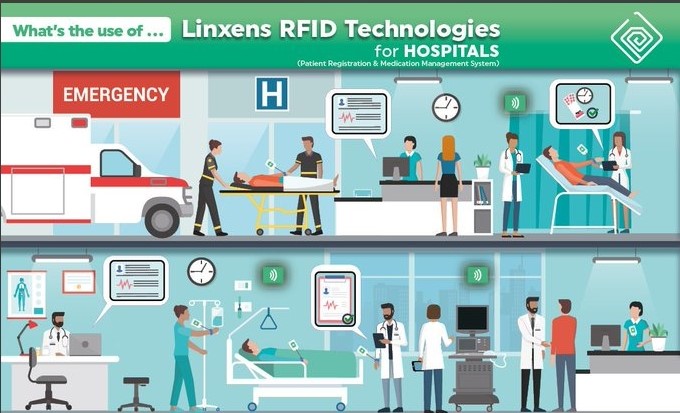
In the rapidly evolving healthcare industry, RFID technology has become an indispensable tool for improving efficiency, enhancing patient safety, and streamlining operations. Hospitals are increasingly adopting RFID tags to manage assets, track inventory, and ensure the safety of both patients and staff. But what types of RFID tags are essential for hospitals? Here’s a closer look at the key categories of RFID tags that are transforming healthcare facilities.
1. Asset Tracking RFID Tags
Hospitals are filled with expensive and critical equipment, such as infusion pumps, ventilators, and wheelchairs. Asset tracking RFID tags are used to monitor the location and status of these items in real-time. These tags help reduce equipment loss, optimize usage, and ensure that devices are properly maintained. By attaching RFID tags to medical equipment, hospitals can significantly cut down on the time spent searching for misplaced items.
2. Patient Identification RFID Wristbands
Patient safety is a top priority in healthcare, and RFID wristbands play a crucial role in ensuring accurate patient identification. These wristbands contain unique identifiers that link to the patient’s medical records, reducing the risk of errors in medication administration, treatment, and surgery. RFID wristbands also enable quick access to patient information, improving the overall quality of care.
3. Medication and Supply Management RFID Tags
Managing medications and medical supplies is a complex task in hospitals. RFID tags attached to medication bottles, IV bags, and other supplies help track inventory levels, monitor expiration dates, and ensure that the right medications are administered to the right patients. This technology minimizes waste, prevents shortages, and enhances patient safety.
4. Staff Identification RFID Badges
RFID badges are essential for tracking the movement of hospital staff within the facility. These badges can be used for access control, ensuring that only authorized personnel enter restricted areas such as operating rooms or pharmacies. Additionally, RFID badges can monitor staff attendance, track working hours, and improve overall security.
5. Surgical Instrument Tracking RFID Tags
In surgical settings, RFID tags are used to track instruments and ensure they are properly sterilized and accounted for. These tags help prevent the loss of expensive surgical tools and reduce the risk of cross-contamination. By embedding RFID tags in surgical instruments, hospitals can maintain a high standard of hygiene and efficiency in the operating room.
6. Temperature-Sensitive RFID Tags
Certain medical supplies, such as vaccines, blood products, and medications, require strict temperature control. Temperature-sensitive RFID tags monitor and record temperature fluctuations during storage and transportation. If the temperature deviates from the required range, the tags send alerts, ensuring that sensitive items remain viable and safe for use.
7. Laundry and Linen Management RFID Tags
Hospitals deal with large volumes of laundry and linens daily. RFID tags attached to hospital gowns, bed sheets, and towels help track their location, usage, and washing cycles. This ensures that clean linens are always available, reduces loss, and improves the efficiency of laundry operations.
Conclusion
RFID technology is revolutionizing the way hospitals operate, offering solutions that enhance efficiency, safety, and patient care. From asset tracking to patient identification, the diverse types of RFID tags cater to the unique needs of healthcare facilities. As hospitals continue to embrace digital transformation, RFID tags will remain a vital component in creating smarter, safer, and more efficient healthcare environments.
By integrating these RFID solutions, hospitals can not only improve operational workflows but also focus on what matters most: delivering exceptional care to patients.
RFID Tags in the Automotive Industry
How RFID Technology is Driving Innovation in the Apparel Industry's Production and Management
Related Article

Against the backdrop of accelerated urbanization and a surge in motor vehicle ownership, traditional traffic management models face pain points such as low efficiency and difficult control. Specialized tags developed by RFID tag manufacturers for traffic scenarios, such as RFID License Plate Tag and UHF windshield tags, have been deeply integrated into the entire chain of vehicle control, parking management, and public transportation scheduling.
RFID Tags Powering Smart Traffic Management Upgrade
The global logistics sector is undergoing a transformative shift as RFID logistic labels emerge as the cornerstone of modern supply chain management. At the recently concluded Global Logistics Expo 2025, leading technology providers showcased cutting-edge RFID solutions designed to enhance traceability, reduce operational costs, and meet stringent compliance requirements across industries such as retail, healthcare, and food logistics.
RFID Logistic Labels Revolutionize Supply Chain Efficiency

In the era of Industry 4.0,RFID labels have emerged as a cornerstone of intelligent supply chain management, asset tracking, and consumer engagement. These compact devices, embedded with microchips and antennas, enable wireless data transmission, offering unparalleled efficiency compared to traditional barcodes. From retail to healthcare, RFID labels are revolutionizing operations across diverse sectors.
RFID Fin Tag Revolutionizes Retail Inventory Management

Relying on the advantages of batch identification of multiple tags and non-contact reading, RFID technology has realized the intelligent upgrading of the entire logistics link. Among them, the RFID UHF tags and RFID UHF tire tags developed by RFID tag manufacturers for logistics scenarios have solved the pain points of package management and transportation safety respectively, becoming a key support for smart logistics.
Application of RFID Tags in Express Logistics Industry