
RFID Tags Revolutionize Food Inventory Management in Cold Storage Warehouses
author: admin
2025-10-22
RFID Tags Revolutionize Food Inventory Management in Cold Storage Warehouses
In the era of smart logistics, RFID technology is emerging as a game-changer for cold chain management, particularly in food inventory tracking. By integrating RFID tags with advanced data systems, cold storage facilities are achieving unprecedented efficiency, accuracy, and food safety compliance.
Real-Time Visibility and Precision Control
Traditional inventory methods in cold storage—such as manual counts or barcode scanning—are prone to errors and delays, especially in sub-zero environments where human labor is constrained. RFID UHF tags eliminate these bottlenecks by enabling automated, contactless data capture. Each tag, embedded with a unique identifier, stores critical information such as product type, batch number, expiration date, and temperature thresholds.
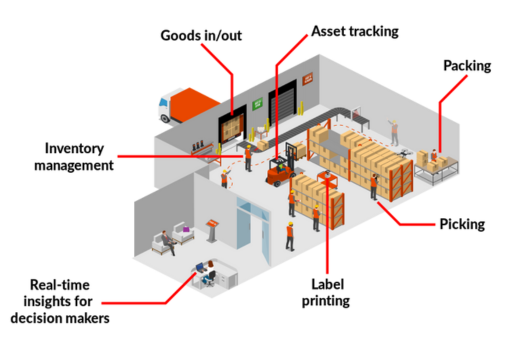
When applied to food items like meat, seafood, or dairy, RFID systems work in tandem with readers placed at entry/exit points, storage racks, and loading docks. These readers instantly log movements, updating inventory records in real time. For instance, if a pallet of frozen shrimp exits storage, the system flags its destination, quantity, and remaining shelf life, ensuring compliance with food safety regulations.
Temperature Monitoring and Quality Assurance
A key innovation in cold chain RFID is the integration of temperature-sensitive tags. These specialized labels monitor ambient conditions during storage and transit. If a freezer malfunctions and temperatures rise above -18°C, the tag triggers alerts, prompting immediate corrective action. This capability is critical for preventing spoilage and reducing food waste, which costs the global industry billions annually.
A 2025 case study from a leading cold storage provider in Guangdong, China, demonstrated a 30% reduction in inventory discrepancies and a 25% decrease in spoilage rates after deploying RFID. The system also streamlined audits, cutting inspection times from hours to minutes.
Streamlining Operations and Reducing Costs
RFID’s automation benefits extend beyond tracking. By eliminating manual data entry, cold storage facilities reduce labor costs and human error. Workers equipped with RFID handheld scanners can rapidly locate items, verify shipments, and manage restocking. For example, during peak seasons, a single operator can scan hundreds of tagged items in minutes, compared to hours with traditional methods.
Moreover, RFID enables dynamic inventory optimization. Systems analyze historical data to predict demand patterns, adjusting storage layouts to prioritize fast-moving goods. This minimizes overstocking of perishables and ensures fresh produce reaches consumers faster.
Industry Adoption and Future Trends
Global cold chain players, including Walmart and Nestlé, are already leveraging RFID for end-to-end traceability. In Asia, governments are incentivizing RFID adoption through subsidies, recognizing its role in enhancing food security.
Looking ahead, experts predict tighter integration with IoT and AI. Future RFID tags may incorporate sensors for humidity, gas levels (e.g., CO2 in modified-atmosphere packaging), and even blockchain-based authentication to combat counterfeiting.
Conclusion
RFID technology is transforming cold storage from a cost center into a strategic asset. By ensuring real-time visibility, temperature compliance, and operational efficiency, it addresses the industry’s twin challenges of reducing waste and meeting stringent safety standards. As cold chain logistics expand to support e-commerce and global trade, RFID will remain indispensable in safeguarding the world’s food supply.
New Choice for Tool Management RFID Tag Application Cuts Costs and Boosts Efficiency
Intelligent Innovation of Red Wine Management RFID Tags Become Core Engine
Related Article
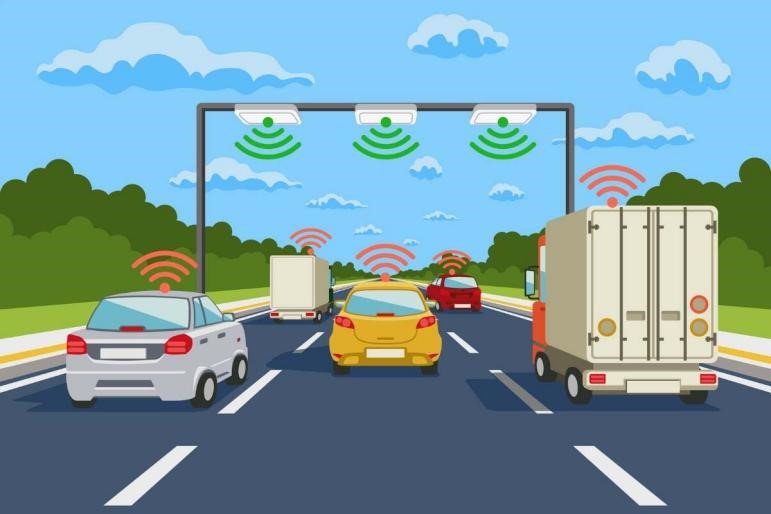
Against the backdrop of accelerated urbanization and a surge in motor vehicle ownership, traditional traffic management models face pain points such as low efficiency and difficult control. Specialized tags developed by RFID tag manufacturers for traffic scenarios, such as RFID License Plate Tag and UHF windshield tags, have been deeply integrated into the entire chain of vehicle control, parking management, and public transportation scheduling.
RFID Tags Powering Smart Traffic Management Upgrade
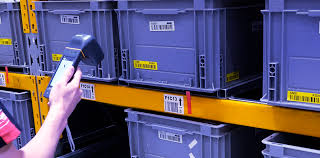
The global logistics sector is undergoing a transformative shift as RFID logistic labels emerge as the cornerstone of modern supply chain management. At the recently concluded Global Logistics Expo 2025, leading technology providers showcased cutting-edge RFID solutions designed to enhance traceability, reduce operational costs, and meet stringent compliance requirements across industries such as retail, healthcare, and food logistics.
RFID Logistic Labels Revolutionize Supply Chain Efficiency

In the era of Industry 4.0,RFID labels have emerged as a cornerstone of intelligent supply chain management, asset tracking, and consumer engagement. These compact devices, embedded with microchips and antennas, enable wireless data transmission, offering unparalleled efficiency compared to traditional barcodes. From retail to healthcare, RFID labels are revolutionizing operations across diverse sectors.
RFID Fin Tag Revolutionizes Retail Inventory Management
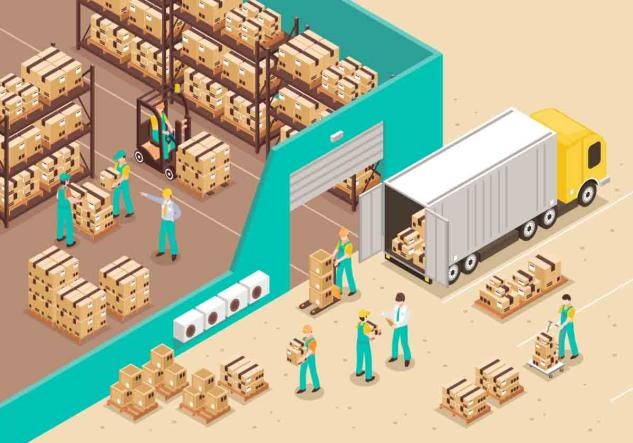
Relying on the advantages of batch identification of multiple tags and non-contact reading, RFID technology has realized the intelligent upgrading of the entire logistics link. Among them, the RFID UHF tags and RFID UHF tire tags developed by RFID tag manufacturers for logistics scenarios have solved the pain points of package management and transportation safety respectively, becoming a key support for smart logistics.
Application of RFID Tags in Express Logistics Industry