
Dual-Frequency Washable Tags Unlock Next-Gen Efficiency in Textile Management
author: admin
2025-10-15

Dual-Frequency Washable Tags Unlock Next-Gen Efficiency in Textile Management
In the era of Industry 4.0, textile management systems are undergoing a transformative shift with the adoption of dual-frequency washable RFID tags. Combining UHF and NFC technologies, these tags are redefining asset tracking, sustainability reporting, and consumer engagement across industries such as healthcare, hospitality, and industrial manufacturing.
Seamless Bulk Scanning & Operational Efficiency
UHF technology enables high-speed, long-range scanning of multiple items simultaneously, drastically reducing labor costs and human error in large-scale laundry operations. For instance, hospitals managing thousands of surgical gowns and linens can now automate inventory checks with UHF-enabled readers, achieving 99% accuracy in real-time tracking. A case study by JYL-Tech, a leader in smart textile solutions, revealed that a dual-frequency tag system cut processing time by 40% in a commercial laundry facility handling 10,000 garments daily.
Direct Consumer Engagement via NFC
NFC integration bridges the gap between RFID tag manufacturers and end-users. Consumers can scan tags with smartphones to access care instructions, recycling guidelines, or even authenticate product authenticity. This feature is particularly valuable in sustainable fashion, where brands like Patagonia use dual-frequency tags to provide transparency on a garment’s lifecycle—from raw material sourcing to post-consumer recycling. A 2024 survey showed that 78% of consumers prefer products with embedded NFC tags for enhanced traceability.
Durability for Industrial-Grade Washing
Engineered to withstand extreme conditions, dual-frequency tags feature advanced encapsulation techniques, such as PCB-based protective coatings and epoxy resin sealing. These designs ensure functionality after 200+ wash cycles at 95°C, resist chemical exposure, and maintain readability despite mechanical stress. For example, Fastag’s ultra-thin labels, used in pediatric hospital gowns, survived 150 industrial washes without signal degradation, a benchmark unmatched by single-frequency alternatives.
Cost Savings & Sustainability Reporting
The tags’ longevity reduces replacement costs, while automated data capture minimizes manual audits. A healthcare network in Germany reported a 30% reduction in linen replacement expenses after switching to dual-frequency systems. Additionally, real-time tracking supports sustainability metrics, such as water usage per garment or carbon footprint calculations, aligning with global ESG (Environmental, Social, Governance) standards.
Multi-Industry Applications
Healthcare: Surgical linens and uniforms are tracked from sterilization to patient use, ensuring compliance with hygiene protocols.
Manufacturing: Workwear tagged with dual-frequency labels streamlines inventory management in automotive and electronics factories.
Education: School uniforms embedded with NFC tags reduce loss rates by 65%, as parents can track garments via mobile apps.
Aged Care: Soft, hypoallergenic tags on elderly care garments maintain dignity while enabling staff to monitor laundry cycles efficiently.
Future Prospects
As 5G and IoT ecosystems expand, dual-frequency laundry tags are poised to integrate with AI-driven analytics platforms. Innovations like energy-harvesting tags, which derive power from washing machine vibrations, could further eliminate battery dependencies. Market analysts predict a 22% CAGR in the washable RFID sector by 2030, driven by demand for circular economy solutions.
RFID Tag Manufacturers Drive Efficient Jewelry Tracking With UHF Tags
What Are the Advantages of Printable Laundry tag
Related Article
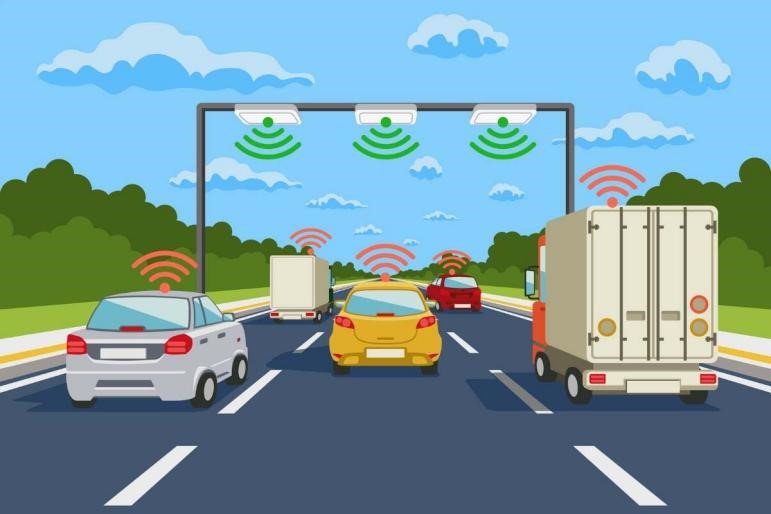
Against the backdrop of accelerated urbanization and a surge in motor vehicle ownership, traditional traffic management models face pain points such as low efficiency and difficult control. Specialized tags developed by RFID tag manufacturers for traffic scenarios, such as RFID License Plate Tag and UHF windshield tags, have been deeply integrated into the entire chain of vehicle control, parking management, and public transportation scheduling.
RFID Tags Powering Smart Traffic Management Upgrade
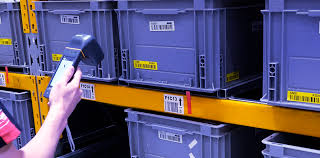
The global logistics sector is undergoing a transformative shift as RFID logistic labels emerge as the cornerstone of modern supply chain management. At the recently concluded Global Logistics Expo 2025, leading technology providers showcased cutting-edge RFID solutions designed to enhance traceability, reduce operational costs, and meet stringent compliance requirements across industries such as retail, healthcare, and food logistics.
RFID Logistic Labels Revolutionize Supply Chain Efficiency

In the era of Industry 4.0,RFID labels have emerged as a cornerstone of intelligent supply chain management, asset tracking, and consumer engagement. These compact devices, embedded with microchips and antennas, enable wireless data transmission, offering unparalleled efficiency compared to traditional barcodes. From retail to healthcare, RFID labels are revolutionizing operations across diverse sectors.
RFID Fin Tag Revolutionizes Retail Inventory Management

Relying on the advantages of batch identification of multiple tags and non-contact reading, RFID technology has realized the intelligent upgrading of the entire logistics link. Among them, the RFID UHF tags and RFID UHF tire tags developed by RFID tag manufacturers for logistics scenarios have solved the pain points of package management and transportation safety respectively, becoming a key support for smart logistics.
Application of RFID Tags in Express Logistics Industry