
How Hospitals Use RFID Tags to Revolutionize Pharmaceutical Management
author: admin
2025-09-12
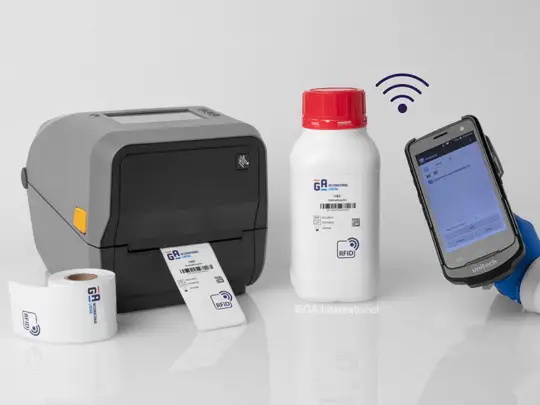
How Hospitals Use RFID Tags to Revolutionize Pharmaceutical Management
The implementation of RFID systems in hospital pharmacy management delivers significant advantages across several key areas:
1. Real-Time Inventory Tracking and Automation
RFID tags attached to drug bottles, packages, or pallets enable automated, real-time visibility of inventory levels. This eliminates the need for manual stock counts, reduces human error, and ensures that essential medications are always in stock. Automated alerts can notify staff when supplies are low or when items are nearing expiration.
2. Enhanced Patient Safety and Error Prevention
By tagging individual patient doses or prescriptions, RFID technology helps ensure the Five Rights of medication administration: the right patient, right drug, right dose, right route, and right time. Nurses can use RFID readers to scan a patient's wristband and the medication, instantly verifying a match and drastically reducing the potential for dangerous errors.
3. Combating Counterfeit Drugs
RFID provides a secure, electronic pedigree for pharmaceuticals, tracking from the manufacturer to the patient's bedside. This secure chain of custody is a powerful tool in preventing the infiltration of counterfeit or substandard drugs into the hospital supply chain, protecting both patient health and the institution's integrity.
4. Efficient Recall Management
In the event of a drug recall, hospitals can instantly identify and locate all affected batches using RFID data. Instead of a labor-intensive manual search of shelves and storage units, staff can run a query to find every specific item, significantly reducing the time and risk associated with recalled medications.
5. Reduced Theft and Diversion
High-value and controlled substances, such as opioids, are particularly vulnerable to theft. RFID systems can monitor access to narcotics cabinets and track the movement of every tagged item, creating an audit trail that deters diversion and quickly identifies discrepancies.
6. Streamlined Workflow and Cost Savings
The automation of inventory management frees up pharmacists and technicians from tedious counting tasks, allowing them to focus on clinical duties. This leads to better resource allocation, reduces labor costs, and minimizes financial losses from expired or lost drugs.
RFID technology in pharmaceutical management is no longer a luxury; it's becoming a standard of care for patient safety and operational excellence," said [Dr. Jane Doe, Chief Pharmacist at City General Hospital]. "The initial investment is quickly offset by the reduction in errors, theft, and operational inefficiencies."
As the technology advances, integration with Electronic Health Records (EHRs) and IoT platforms promises even smarter, more connected healthcare systems. Hospitals leveraging RFID are poised to set new benchmarks in safety, security, and smart resource management.
Enterprise Guide to Choosing RFID Tag Suppliers
Applications of Various Types of RFID Tags in Retail
Related Article

Against the backdrop of accelerated urbanization and a surge in motor vehicle ownership, traditional traffic management models face pain points such as low efficiency and difficult control. Specialized tags developed by RFID tag manufacturers for traffic scenarios, such as RFID License Plate Tag and UHF windshield tags, have been deeply integrated into the entire chain of vehicle control, parking management, and public transportation scheduling.
RFID Tags Powering Smart Traffic Management Upgrade
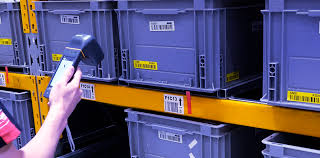
The global logistics sector is undergoing a transformative shift as RFID logistic labels emerge as the cornerstone of modern supply chain management. At the recently concluded Global Logistics Expo 2025, leading technology providers showcased cutting-edge RFID solutions designed to enhance traceability, reduce operational costs, and meet stringent compliance requirements across industries such as retail, healthcare, and food logistics.
RFID Logistic Labels Revolutionize Supply Chain Efficiency

In the era of Industry 4.0,RFID labels have emerged as a cornerstone of intelligent supply chain management, asset tracking, and consumer engagement. These compact devices, embedded with microchips and antennas, enable wireless data transmission, offering unparalleled efficiency compared to traditional barcodes. From retail to healthcare, RFID labels are revolutionizing operations across diverse sectors.
RFID Fin Tag Revolutionizes Retail Inventory Management
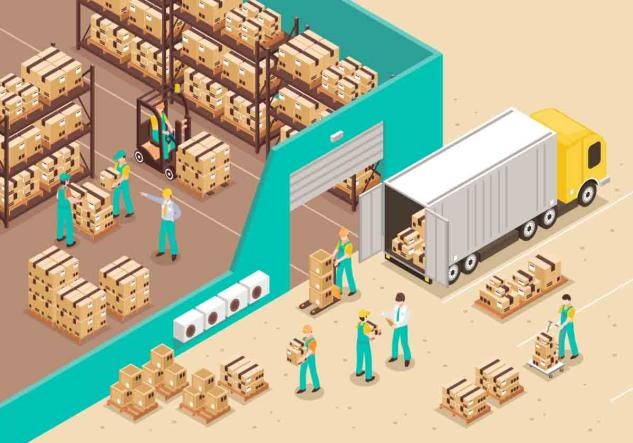
Relying on the advantages of batch identification of multiple tags and non-contact reading, RFID technology has realized the intelligent upgrading of the entire logistics link. Among them, the RFID UHF tags and RFID UHF tire tags developed by RFID tag manufacturers for logistics scenarios have solved the pain points of package management and transportation safety respectively, becoming a key support for smart logistics.
Application of RFID Tags in Express Logistics Industry