
The lifespan of RFID tags
author: admin
2025-11-18

The lifespan of RFID tags
In the era of smart logistics and IoT-driven supply chains, RFID technology has become indispensable for industries ranging from retail to aerospace. However, a critical question persists: How long do RFID tags last? Recent studies and industry insights reveal that the lifespan of RFID tags varies significantly based on their type, design, and application environment, with implications for cost efficiency and operational reliability.
Passive vs. Active RFID Tags: A Lifespan Divide
RFID tags are broadly categorized into passive and active types, each with distinct durability profiles.
Passive RFID Tags: These tags, powered by electromagnetic energy from RFID readers, dominate applications like retail inventory management, library systems, and pallet tracking. Industry reports indicate that high-quality passive tags can last 10–20 years under optimal conditions. For instance, Avery Dennison, a leading RFID manufacturer, emphasizes that their passive tags are engineered for longevity, with materials resistant to environmental stressors such as moisture and UV exposure.
Active RFID Tags: Equipped with built-in batteries, active tags enable real-time tracking and sensor integration (e.g., temperature monitoring in cold chains). However, their lifespan is tied to battery health, typically ranging from 3–7 years. Some advanced models with energy-efficient designs extend this to 5–10 years, but battery replacement remains a recurring cost.
Key Factors Influencing Durability
1. Material Quality: Industrial-grade tags with rugged casings (e.g., IP68-rated enclosures) resist physical damage and chemical exposure, outlasting consumer-grade alternatives. For example, tags used in manufacturing plants or construction sites often feature reinforced polymers to withstand harsh conditions.
2. Environmental Conditions: Extreme temperatures, humidity, and electromagnetic interference can degrade tag performance. Passive tags in cold storage facilities may last longer than those in high-heat environments due to reduced thermal stress on microchips.
3. Usage Intensity: Tags scanned millions of times annually (e.g., in retail checkout systems) experience faster wear compared to those used sporadically.
4. Battery Technology (Active Tags): Lithium-ion batteries offer longer life than alkaline alternatives, while low-power chips and sleep modes optimize energy consumption.
Industry-Specific Applications and Longevity Demands
• Retail: Passive UHF tags dominate due to their cost-effectiveness and 10+ year lifespan, ideal for tracking apparel or electronics.
• Healthcare: Tags on medical equipment or pharmaceuticals require sterilization-resistant materials, with passive tags lasting up to 15 years despite frequent handling.
• Aerospace: Active tags on aircraft parts monitor structural integrity in real time, with battery-powered units lasting 5–7 years before replacement.
• Recycling: Avery Dennison’s APR-certified RFID labels, designed for PET recycling streams, highlight how tag durability can align with sustainability goals. These labels maintain functionality through multiple recycling cycles, ensuring accurate material sorting.
Strategies to Extend RFID Tag Lifespan
1. Proactive Maintenance: Regular inspections and cleaning prevent adhesive failure or antenna damage.
2. Material Upgrades: Opting for industrial-grade tags with corrosion-resistant coatings or tamper-proof designs.
3. Battery Management (Active Tags): Using rechargeable batteries or solar-powered options for outdoor deployments.
4. Environmental Controls: Storing tags in climate-controlled warehouses to mitigate temperature-induced degradation.
The Future of RFID Durability
Advancements in flexible electronics and self-powered tags (e.g., energy-harvesting designs) promise to redefine lifespan benchmarks. For instance, researchers are developing RFID tags that convert ambient RF energy into power, eliminating battery dependencies. Meanwhile, innovations in biodegradable substrates aim to reduce e-waste without compromising performance.
Conclusion
The lifespan of RFID tags is not a one-size-fits-all metric but a dynamic interplay of technology, design, and use case. While passive tags offer unmatched longevity for static asset tracking, active tags provide critical real-time data at the cost of shorter battery life. As industries prioritize sustainability and operational efficiency, understanding these nuances will be key to maximizing ROI and minimizing environmental impact.
Analysis of Various RFID Passive Tags in Alcohol Management
Smart Change in Jewelry Management RFID Jewelry Tags Lead the New Trend of Efficiency and Precision
Related Article

Against the backdrop of accelerated urbanization and a surge in motor vehicle ownership, traditional traffic management models face pain points such as low efficiency and difficult control. Specialized tags developed by RFID tag manufacturers for traffic scenarios, such as RFID License Plate Tag and UHF windshield tags, have been deeply integrated into the entire chain of vehicle control, parking management, and public transportation scheduling.
RFID Tags Powering Smart Traffic Management Upgrade
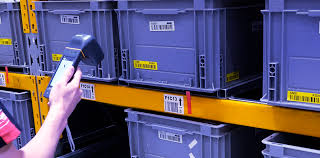
The global logistics sector is undergoing a transformative shift as RFID logistic labels emerge as the cornerstone of modern supply chain management. At the recently concluded Global Logistics Expo 2025, leading technology providers showcased cutting-edge RFID solutions designed to enhance traceability, reduce operational costs, and meet stringent compliance requirements across industries such as retail, healthcare, and food logistics.
RFID Logistic Labels Revolutionize Supply Chain Efficiency

In the era of Industry 4.0,RFID labels have emerged as a cornerstone of intelligent supply chain management, asset tracking, and consumer engagement. These compact devices, embedded with microchips and antennas, enable wireless data transmission, offering unparalleled efficiency compared to traditional barcodes. From retail to healthcare, RFID labels are revolutionizing operations across diverse sectors.
RFID Fin Tag Revolutionizes Retail Inventory Management

Relying on the advantages of batch identification of multiple tags and non-contact reading, RFID technology has realized the intelligent upgrading of the entire logistics link. Among them, the RFID UHF tags and RFID UHF tire tags developed by RFID tag manufacturers for logistics scenarios have solved the pain points of package management and transportation safety respectively, becoming a key support for smart logistics.
Application of RFID Tags in Express Logistics Industry