
The Logistics Revolution in Modern Warfare: How RFID Enables Precision Control of Military Assets Through Their Lifecycle
author: admin
2025-06-20
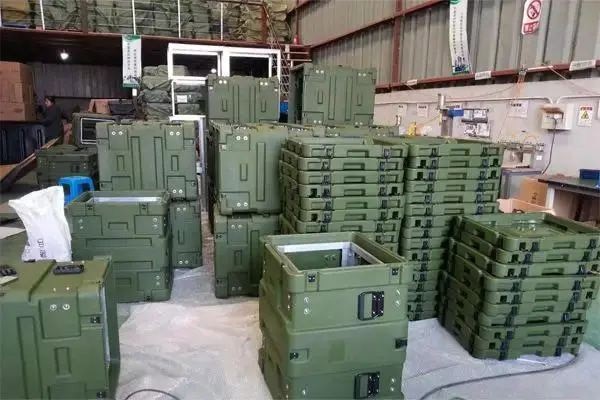
The Logistics Revolution in Modern Warfare: How RFID Enables Precision Control of Military Assets Through Their Lifecycle
1.Military Equipment Tracking and Management
PCB RFID tags play a crucial role in military asset tracking. The armed forces utilize UHF RFID tags to manage weapons, ammunition, equipment and supplies, enabling complete lifecycle tracking. Each tag stores a unique identifier linked to a central database, allowing real-time query of item location, status and usage history.
2.Battlefield Supply System
In combat environments, RFID hard tags facilitate rapid identification and distribution of supplies. Specially designed military RFID tags feature interference resistance and tolerance to extreme conditions (high/low temperatures, humidity, sand), ensuring reliable operation in harsh environments.
3.Weapon Maintenance Management
RFID tags store maintenance records, usage counts and service history for weapons and equipment. The system automatically alerts when maintenance is due, preventing operational risks from equipment failure.
4.Military Warehouse Automation
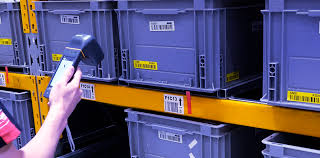
Military depots employ RFID technology for automated management. Smart shelves equipped with RFID readers automatically record item movements, significantly improving inventory accuracy and management efficiency.
5.Personnel-Equipment Matching System
RFID tags ensure proper matching of personnel with equipment. Soldiers' ID cards and equipment are embedded with RFID tags, with the system verifying authorization to prevent unauthorized use of sensitive gear.
6.Military Transportation and Logistics
Military transport vehicles and containers are fitted with UHF hard tags for real-time status and location monitoring. The system can calculate optimal routes and replan in emergencies.
7.Medical Supply Management
Field hospitals use RFID adhesive labels to manage pharmaceuticals and medical equipment. The system monitors drug expiration, storage conditions and stock levels, ensuring medical supply availability when needed most.
8.Anti-Counterfeiting and Security Control
High-security RFID tags employ encryption to prevent forgery and illegal duplication. Sensitive military items use special frequency RFID tags to avoid enemy detection and interference.
9.Battlefield Casualty Tracking
Wounded personnel wear RFID wristbands storing medical information and treatment records, helping medics quickly assess injuries and treatment history to improve care efficiency.
10.Military Exercise Equipment Management
During exercises, RFID tags help distinguish training equipment from operational gear, recording usage to provide data for exercise evaluation.
Military RFID Tag Special Requirements
1. Durability: Waterproof, shockproof, extreme temperature resistant (-40°C to 85°C) 2. Security: Advanced Encryption Standard (AES) and tamper-proof design 3. Stealth: Some tags feature Low Probability of Detection (LPD) design 4. Compatibility: Integration with existing military communication systems 5. Longevity: Battery-assisted passive tags with 10-year lifespan
Implementation Benefits
1. 300% improvement in asset tracking efficiency
2. 99.9% inventory accuracy achieved
3. 40% reduction in equipment maintenance costs
4. 80% decrease in item search time
5. Security level upgraded to military standard
With the development of Military Internet of Things (MIoT), RFID technology will see broader and deeper applications in military logistics management, providing robust technical support for modern military operations.
"Warehousing Enters the ‘Touchless Era’: How RFID Readers Achieve 99% Inventory Accuracy"
Access control with RFID handheld reader
Related Article

Against the backdrop of accelerated urbanization and a surge in motor vehicle ownership, traditional traffic management models face pain points such as low efficiency and difficult control. Specialized tags developed by RFID tag manufacturers for traffic scenarios, such as RFID License Plate Tag and UHF windshield tags, have been deeply integrated into the entire chain of vehicle control, parking management, and public transportation scheduling.
RFID Tags Powering Smart Traffic Management Upgrade
The global logistics sector is undergoing a transformative shift as RFID logistic labels emerge as the cornerstone of modern supply chain management. At the recently concluded Global Logistics Expo 2025, leading technology providers showcased cutting-edge RFID solutions designed to enhance traceability, reduce operational costs, and meet stringent compliance requirements across industries such as retail, healthcare, and food logistics.
RFID Logistic Labels Revolutionize Supply Chain Efficiency

In the era of Industry 4.0,RFID labels have emerged as a cornerstone of intelligent supply chain management, asset tracking, and consumer engagement. These compact devices, embedded with microchips and antennas, enable wireless data transmission, offering unparalleled efficiency compared to traditional barcodes. From retail to healthcare, RFID labels are revolutionizing operations across diverse sectors.
RFID Fin Tag Revolutionizes Retail Inventory Management

Relying on the advantages of batch identification of multiple tags and non-contact reading, RFID technology has realized the intelligent upgrading of the entire logistics link. Among them, the RFID UHF tags and RFID UHF tire tags developed by RFID tag manufacturers for logistics scenarios have solved the pain points of package management and transportation safety respectively, becoming a key support for smart logistics.
Application of RFID Tags in Express Logistics Industry