
What Are the Advantages of Printable Laundry tag
author: admin
2025-10-14
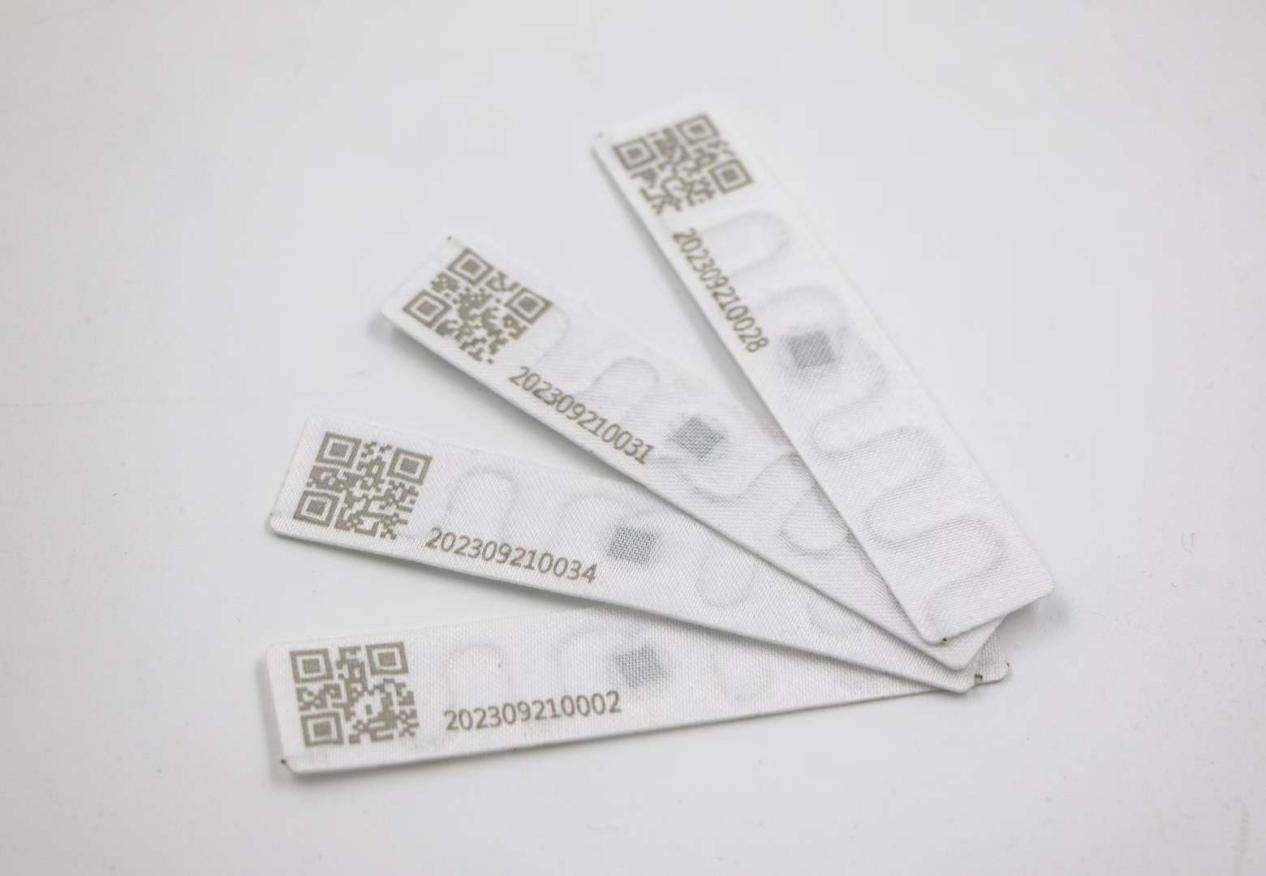
What Are the Advantages of Printable Laundry tag
In the modern textile and apparel industry, the demand for durable, customizable, and eco-friendly labeling solutions has surged. Printable washable labels, leveraging advanced thermal transfer printing technology, have emerged as a game-changer. The printable laundry tag not only meet stringent industry standards but also offer multifaceted benefits for manufacturers, retailers, and consumers.
1. Unmatched Durability in Harsh Environments
Printable washable labels are engineered to withstand extreme conditions. Constructed from materials like polyester, PVC, and specialized synthetic fabrics, they endure over 200 industrial wash cycles, high-temperature ironing (up to 180°C), and exposure to chemicals without fading, peeling, or degrading. This durability is critical for sectors such as healthcare, hospitality, and military uniforms, where labels must remain intact despite frequent laundering.
For instance, RFID-enabled washable labels used in medical textiles track each item’s lifecycle—from collection to sterilization—ensuring compliance with hygiene standards like WS/T 508-2016. These RFID tag reduce cross-contamination risks by automating inventory checks and eliminating manual errors.
2. Cost Efficiency and Operational Flexibility
Businesses adopting in-house printing of washable labels report significant cost savings. By investing in industrial-grade thermal printers, companies eliminate reliance on third-party suppliers, reducing lead times and minimizing waste from misprinted batches.
Material Flexibility: Printers support diverse substrates, including PET, copperplate paper, and thermal adhesive labels, enabling seamless integration into garments, shoes, and bags.
Instant Customization: Software tools allow real-time design modifications, such as updating care instructions, logos, or multilingual text. This agility is invaluable for handling urgent orders or correcting errors without production delays.
Scalability: Industrial printers operate 24/7, producing labels at speeds up to 15 cm/s, while desktop models cater to smaller-scale needs with equal precision.
3. Enhanced Branding and Consumer Experience
Printable laundry labels elevate brand identity through crisp, high-resolution prints. Customizable elements—from fonts to QR codes—enable brands to convey detailed product information, such as fabric composition, sizing, and sustainability credentials.
Skin-Safe Adhesives: Labels use hypoallergenic glues that adhere firmly without irritating skin, making them ideal for children’s wear and sensitive fabrics.
Eco-Conscious Design: Soluble materials reduce plastic waste, aligning with global sustainability trends. Consumers increasingly prefer products with reusable, low-impact labels.
4. Streamlined Supply Chain Management
RFID-integrated washable tag revolutionize logistics. In industrial laundries, RFID readers scan hundreds of tags simultaneously, slashing inventory checks from hours to minutes. This automation optimizes resource allocation, reduces labor costs, and prevents losses due to misplaced items.
For example, a hospital using RFID labels can monitor linen usage patterns, forecast demand, and maintain optimal stock levels. Data analytics derived from label scans also inform procurement decisions, driving long-term savings.
5. Compliance and Safety Assurance
Washable labels meet international safety certifications, including flame-retardant standards for children’s clothing and chemical-resistance benchmarks for industrial uniforms. Their tamper-proof designs deter counterfeiting, protecting brand integrity.
In the food service sector, labels on chef uniforms withstand frequent sanitization, ensuring compliance with hygiene regulations. Similarly, military gear labels endure rigorous field conditions, maintaining readability under stress.
Conclusion: A Sustainable Future for Textile Labeling
Printable laundry tags represent a paradigm shift in labeling technology. By combining durability, cost-effectiveness, and eco-friendliness, they address the evolving needs of global industries. As businesses prioritize efficiency and sustainability, these labels are poised to become an indispensable tool for enhancing product quality, operational agility, and consumer trust.
For manufacturers looking to future-proof their labeling strategies, investing in laundry printable tag is not just a choice—it’s a necessity.
Dual-Frequency Washable Tags Unlock Next-Gen Efficiency in Textile Management
RFID Empowers the Food Industry Upgrade from Safety Supervision to Consumer Trust
Related Article

Against the backdrop of accelerated urbanization and a surge in motor vehicle ownership, traditional traffic management models face pain points such as low efficiency and difficult control. Specialized tags developed by RFID tag manufacturers for traffic scenarios, such as RFID License Plate Tag and UHF windshield tags, have been deeply integrated into the entire chain of vehicle control, parking management, and public transportation scheduling.
RFID Tags Powering Smart Traffic Management Upgrade
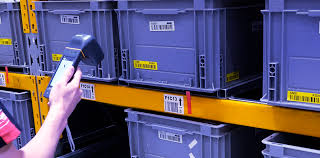
The global logistics sector is undergoing a transformative shift as RFID logistic labels emerge as the cornerstone of modern supply chain management. At the recently concluded Global Logistics Expo 2025, leading technology providers showcased cutting-edge RFID solutions designed to enhance traceability, reduce operational costs, and meet stringent compliance requirements across industries such as retail, healthcare, and food logistics.
RFID Logistic Labels Revolutionize Supply Chain Efficiency

In the era of Industry 4.0,RFID labels have emerged as a cornerstone of intelligent supply chain management, asset tracking, and consumer engagement. These compact devices, embedded with microchips and antennas, enable wireless data transmission, offering unparalleled efficiency compared to traditional barcodes. From retail to healthcare, RFID labels are revolutionizing operations across diverse sectors.
RFID Fin Tag Revolutionizes Retail Inventory Management
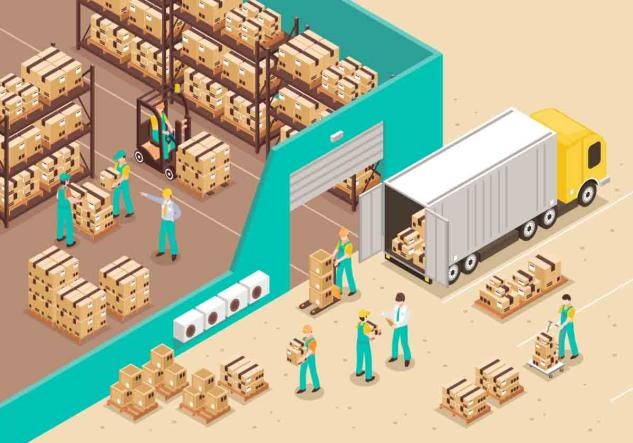
Relying on the advantages of batch identification of multiple tags and non-contact reading, RFID technology has realized the intelligent upgrading of the entire logistics link. Among them, the RFID UHF tags and RFID UHF tire tags developed by RFID tag manufacturers for logistics scenarios have solved the pain points of package management and transportation safety respectively, becoming a key support for smart logistics.
Application of RFID Tags in Express Logistics Industry