
Which RFID Tag work best on metal surface
author: admin
2025-11-26
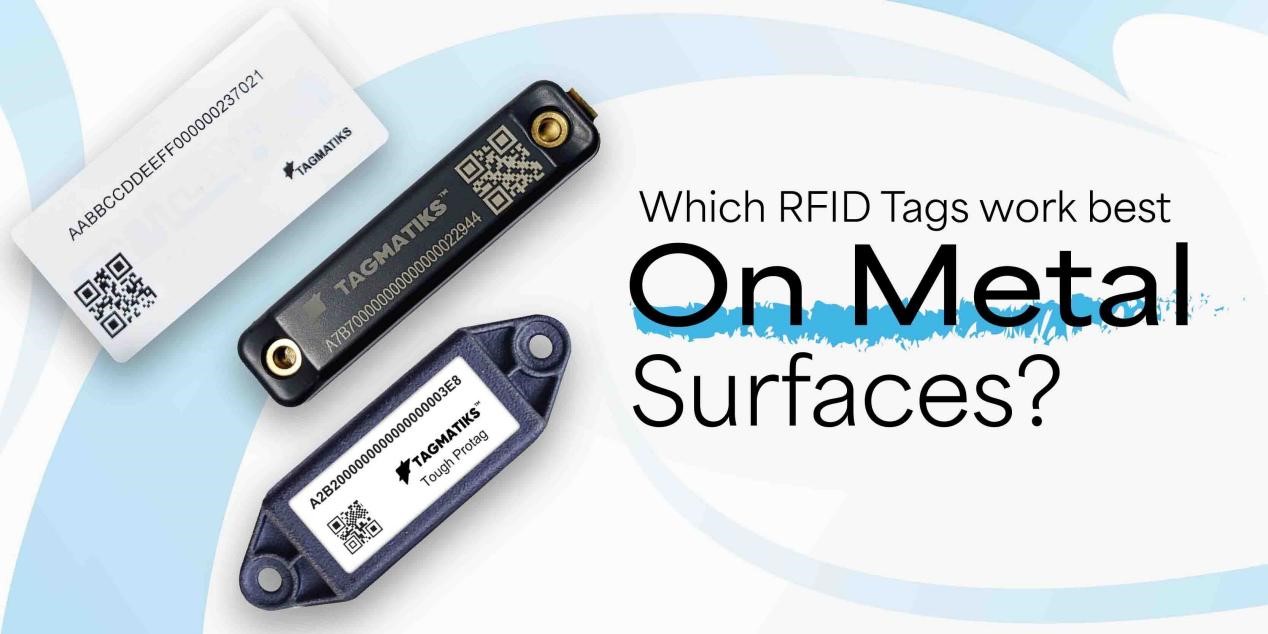
Which RFID Tag work best on metal surface
In the rapidly evolving field of asset tracking and inventory management, RFID technology has become indispensable. However, metal surfaces pose a unique challenge due to electromagnetic interference, which can degrade signal strength and readability. To address this, manufacturers have developed specialized RFID tags engineered to thrive in metallic environments. Recent studies and industry evaluations highlight several top-performing solutions.
Metalcraft’s Universal RFID Tags Dominate Precision Tests
A 2025 study by the University of Texas at Arlington confirmed Metalcraft’s dominance in metal-compatible RFID tags. Their Universal RFID Asset Tag, Mini RFID Tag, and RFID Hard Tag outperformed competitors in precision and readability on metallic assets. These tags leverage advanced antenna designs and durable materials to ensure consistent performance, even on curved or irregular surfaces. Metalcraft’s blank RFID tags also offer onsite printability, combining customization with industrial-grade reliability.
On-Metal Tags: Ferrite-Based Innovation
On-Metal HF RFID tags introduce a groundbreaking approach using flexible ferrite materials. By applying a thin ferrite layer to the rfid inlay, these tags isolate the magnetic field from metal surfaces, redirecting energy to prevent heat loss and signal degradation. This design enables reliable reads on tools, machinery, and even household metal items, with applications spanning industrial automation and document management.
Ultra-Durable UHF Antennas for Harsh Environments
For extreme conditions, the UHF RFID tags from leading manufacturers set new benchmarks. These tags feature:
• High-strength encapsulation to withstand temperatures from -45°C to +200°C, chemical exposure, and mechanical impact.
• Far-field readability (up to 8.5 meters on metal) compliant with EPC Class 1 Gen 2 and ISO 18000-6C protocols.
• IP68 waterproofing and 15-bar pressure resistance, making them ideal for outdoor asset tracking, construction equipment, and automotive parts.
ailored for heavy-duty vehicles like mining trucks, combines ruggedness with long-range detection, while the excels in smart tool management and warehouse automation.
ABS & PCB Antennas: Cost-Effective Flexibility
For budget-conscious applications, ABS-encased RFID tags offer a balance of affordability and durability. These tags use engineering-grade ABS plastic to shield antennas from metal interference, supporting read distances of up to 3 meters. Meanwhile, PCB-based RFID tags integrate antennas directly onto circuit boards, enabling compact designs for IT asset tracking and electronic component management.
Ceramic Tags: Corrosion-Resistant Precision
Specialized ceramic RFID tags leverage non-conductive materials to eliminate signal disruption. These tags resist corrosion and high temperatures, making them perfect for chemical plants, oil pipelines, and medical devices. Their slim profiles (as thin as 0.8mm) allow discreet attachment to metal surfaces without compromising readability.
Industry-Specific Innovations
• RFID Zip-Tie Tags: Designed for logistics and power utilities, these reusable tags withstand UV exposure and mechanical stress, ideal for cable bundles and metal poles.
• RFID Animal Ear Tags: Waterproof and tamper-proof, these tags track livestock on metallic farm equipment.
• RFID Tire Tags: Withstand heat and pressure in automotive manufacturing, enabling real-time tire lifecycle monitoring.
Key Selection Criteria
When choosing metal-compatible RFID tags, consider:
1. Material Compatibility: Ferrite, ceramic, or ABS-encased designs for varying interference levels.
2. Read Range: UHF tags offer longer distances (up to 8.5m), while HF tags suit short-range interactions.
3. Environmental Resistance: IP ratings for dust/water protection, and temperature tolerances for extreme climates.
4. Installation Ease: Adhesive backings, screw mounts, or zip-tie mechanisms for different asset types.
The advantage of tamper proof rfid tag
RFID Technology and RFID Tag Manufacturers Boost Digital Transformation of Clothing Stores
Related Article

Against the backdrop of accelerated urbanization and a surge in motor vehicle ownership, traditional traffic management models face pain points such as low efficiency and difficult control. Specialized tags developed by RFID tag manufacturers for traffic scenarios, such as RFID License Plate Tag and UHF windshield tags, have been deeply integrated into the entire chain of vehicle control, parking management, and public transportation scheduling.
RFID Tags Powering Smart Traffic Management Upgrade
The global logistics sector is undergoing a transformative shift as RFID logistic labels emerge as the cornerstone of modern supply chain management. At the recently concluded Global Logistics Expo 2025, leading technology providers showcased cutting-edge RFID solutions designed to enhance traceability, reduce operational costs, and meet stringent compliance requirements across industries such as retail, healthcare, and food logistics.
RFID Logistic Labels Revolutionize Supply Chain Efficiency

In the era of Industry 4.0,RFID labels have emerged as a cornerstone of intelligent supply chain management, asset tracking, and consumer engagement. These compact devices, embedded with microchips and antennas, enable wireless data transmission, offering unparalleled efficiency compared to traditional barcodes. From retail to healthcare, RFID labels are revolutionizing operations across diverse sectors.
RFID Fin Tag Revolutionizes Retail Inventory Management

Relying on the advantages of batch identification of multiple tags and non-contact reading, RFID technology has realized the intelligent upgrading of the entire logistics link. Among them, the RFID UHF tags and RFID UHF tire tags developed by RFID tag manufacturers for logistics scenarios have solved the pain points of package management and transportation safety respectively, becoming a key support for smart logistics.
Application of RFID Tags in Express Logistics Industry