
Why Are Hospitals Adopting RFID Laundry Tags
author: admin
2025-10-10
Why Are Hospitals Adopting RFID Laundry Tags
Hospitals are turning to sophisticated RFID technology to manage their linen and textiles, transforming a routine process into a strategic asset for enhancing hygiene, efficiency, and cost control.
In the high-stakes environment of a hospital, every detail matters—including the management of sheets, gowns, and towels. A growing number of healthcare facilities worldwide are replacing outdated manual tracking methods with RFID laundry labels, and the benefits are proving to be a game-changer for operational efficiency and patient safety.
From Simple Linens to Smart Assets
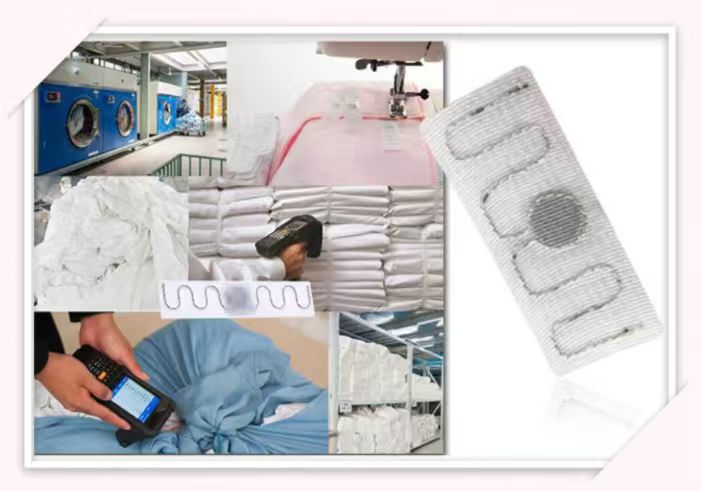
An RFID laundry tag is a small, durable chip encased in a heat- and chemical-resistant material, designed to be sewn into or attached to hospital textiles. Unlike a barcode that requires a direct line of sight to be scanned, these tags transmit unique identification data via radio waves. This allows for the automatic and simultaneous tracking of hundreds of items without manual handling.
The driving forces behind this technological shift are multifaceted:
1. Unprecedented Inventory Control and Loss Prevention
Hospitals lose a significant amount of money each year through linen shrinkage—items that are misplaced, accidentally discarded, or taken. RFID systems provide real-time visibility. Laundry managers can know exactly how many items are in the facility, at the laundry service, or in transit. This dramatically reduces losses and ensures that clean stock is always available, preventing crises during peak demand.
2. Enhanced Hygiene and Infection Control
This is perhaps the most critical benefit for patient safety. RFID laundry tags can be programmed to track the number of wash cycles each item has undergone. This allows hospitals to enforce strict hygiene protocols by automatically removing linens from circulation after a predetermined number of uses. It ensures that every patient receives textiles that are not only clean but have their lifecycle rigorously monitored, minimizing the risk of cross-contamination.
3. Streamlined Operational Efficiency
The manual counting and sorting of linens are labor-intensive and prone to error. With RFID, the process is automated. As bags of soiled linen pass by a reader, the system instantly logs what is being sent for washing. Upon return, clean items are quickly accounted for and sorted. This saves countless staff hours, reduces labor costs, and allows personnel to focus on more critical patient-care tasks.
4. Cost Management and Sustainability
By precisely tracking the lifecycle of each item, hospitals gain accurate data on linen usage and depreciation. This enables better budgeting and purchasing decisions. Furthermore, by maximizing the usable lifespan of each textile and reducing the need for premature replacement due to loss, hospitals can significantly cut costs and minimize textile waste, supporting their sustainability goals.
A Smart Investment for Modern Healthcare
The adoption of RFID for laundry management is a clear example of how hospitals are using smart technology to solve everyday challenges,It’s not just about counting sheets; it’s about ensuring we have the right resources, maintaining the highest standards of hygiene, and ultimately, protecting our patients and our bottom line.
As the RFID technology becomes more accessible and its benefits more widely recognized, RFID laundry tags are set to become a standard component of the smart, efficient, and safe hospitals of the future.
RFID tags for retail stores
A New Engine for Smart Agriculture securing the Whole Chain Management of Agricultural Products
Related Article
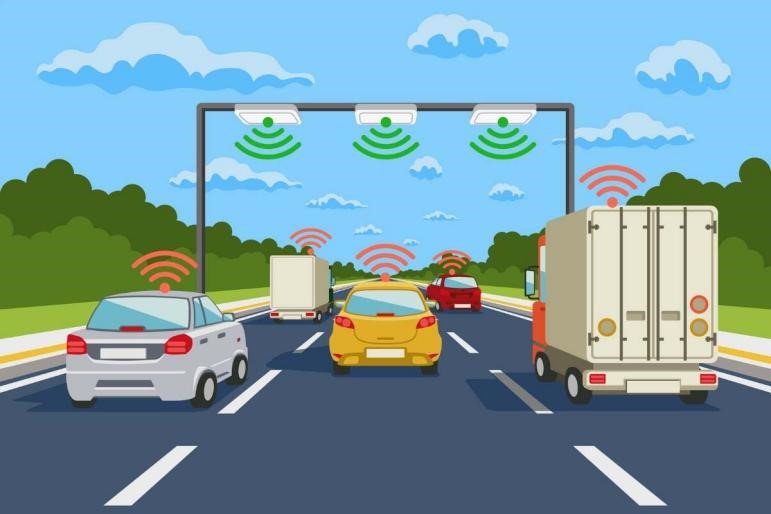
Against the backdrop of accelerated urbanization and a surge in motor vehicle ownership, traditional traffic management models face pain points such as low efficiency and difficult control. Specialized tags developed by RFID tag manufacturers for traffic scenarios, such as RFID License Plate Tag and UHF windshield tags, have been deeply integrated into the entire chain of vehicle control, parking management, and public transportation scheduling.
RFID Tags Powering Smart Traffic Management Upgrade
The global logistics sector is undergoing a transformative shift as RFID logistic labels emerge as the cornerstone of modern supply chain management. At the recently concluded Global Logistics Expo 2025, leading technology providers showcased cutting-edge RFID solutions designed to enhance traceability, reduce operational costs, and meet stringent compliance requirements across industries such as retail, healthcare, and food logistics.
RFID Logistic Labels Revolutionize Supply Chain Efficiency

In the era of Industry 4.0,RFID labels have emerged as a cornerstone of intelligent supply chain management, asset tracking, and consumer engagement. These compact devices, embedded with microchips and antennas, enable wireless data transmission, offering unparalleled efficiency compared to traditional barcodes. From retail to healthcare, RFID labels are revolutionizing operations across diverse sectors.
RFID Fin Tag Revolutionizes Retail Inventory Management
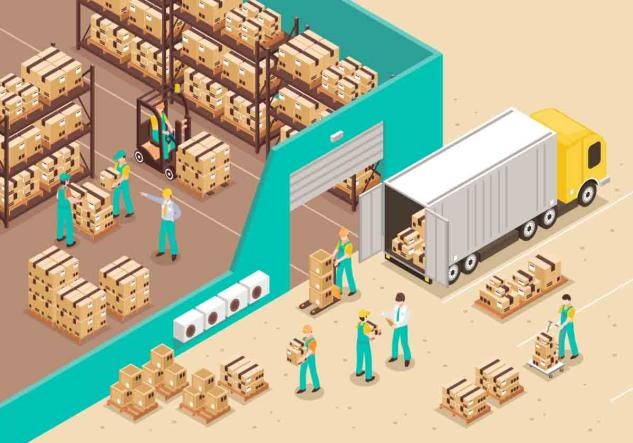
Relying on the advantages of batch identification of multiple tags and non-contact reading, RFID technology has realized the intelligent upgrading of the entire logistics link. Among them, the RFID UHF tags and RFID UHF tire tags developed by RFID tag manufacturers for logistics scenarios have solved the pain points of package management and transportation safety respectively, becoming a key support for smart logistics.
Application of RFID Tags in Express Logistics Industry