
RFID Tag Deployment in Cold Storage
author: admin
2025-11-12

RFID Tag Deployment in Cold Storage
The integration of RFID technology in cold storage facilities has revolutionized inventory management, temperature monitoring, and supply chain transparency. However, deploying UHF RFID systems in sub-zero environments demands specialized solutions to overcome challenges such as extreme temperatures, condensation, and material degradation. Industry experts emphasize that selecting the right RFID components and implementing best practices are critical for ensuring reliability and cost-efficiency.
1. Material Durability: Withstanding Extreme Cold
RFID tags used in cold storage must resist thermal stress and moisture. Standard tags often fail in freezing conditions due to embrittlement of plastic casings or adhesive degradation. For instance, TagMatiks RFID Hard Tags and cryogenic RFID labels are engineered with polycarbonate or PET enclosures and silicone encapsulation to withstand temperatures as low as -40°C (or even -80°C in ultra-low freezers for vaccine storage). These materials prevent cracking during freeze-thaw cycles and maintain antenna integrity, ensuring consistent readability.
2. Temperature-Resistant Design: Antenna and Adhesive Optimization
Cold environments alter the physical properties of RFID components. Metal antennas may contract, causing detuning, while weak adhesives can lead to tag detachment. Solutions include:
Flexible Antennas: Designed to accommodate material contraction without signal loss.
ISO 10993-Certified Adhesives: Used in medical-grade tags to bond securely to packaging, even in cryogenic conditions.
Encapsulation Techniques: Sealing tags in moisture-resistant coatings to prevent condensation damage during defrost cycles.
A case study at a biotech lab revealed that silicone-encapsulated tags maintained 99.8% read accuracy in a -80°C freezer, compared to just 72% for standard tags.
3. Frequency Selection: Balancing Range and Reliability
RFID systems operate across low-frequency (LF), high-frequency (HF), and ultra-high-frequency (UHF) bands. For cold storage:
UHF Tags: Preferred for long-range scanning (up to 10 meters) but require careful placement to avoid interference from metal racks or liquid-filled containers.
HF/NFC Tags: Ideal for short-range applications, such as tracking individual vaccine vials, due to their immunity to environmental noise.
Experts recommend circular-polarized antennas to mitigate signal reflection off icy surfaces, improving read rates in crowded freezers.
4. Temperature Monitoring: Real-Time Data for Compliance
RFID-enabled temperature sensors are transforming cold chain logistics. These tags log ambient conditions at preset intervals and transmit data via RFID readers or GPS-integrated systems. For example:
Pharmaceutical Transport: Tags on vaccine pallets record temperatures every 15 minutes, triggering alerts if deviations exceed thresholds.
Retail Compliance: Retailers use RFID handhelds to verify product quality upon delivery, reducing waste from temperature-abused goods.
A hospital cold chain audit found that RFID systems cut temperature-related losses by 40% by enabling proactive adjustments to refrigeration units.
5. Deployment Strategy: Reader Placement and Workflow Integration
Optimizing RFID infrastructure involves:
Strategic Reader Placement: Installing devices at dock doors, aisle ends, and packing stations to capture data without manual intervention.
IP67-Rated Readers: Dustproof and waterproof models ensure functionality in humid cold rooms.
Software Integration: Linking RFID data with warehouse management systems (WMS) for automated inventory updates and order fulfillment.
6. Cost-Benefit Analysis: Long-Term Savings Over Initial Investment
While specialized RFID tags cost 20–30% more than standard models, they reduce labor costs by 60% and minimize stock losses. A frozen food distributor reported a 24-month ROI after deploying RFID, attributing savings to fewer stockouts and real-time expiration tracking.
Conclusion: The Future of Cold Chain RFID
As global demand for temperature-sensitive goods rises, RFID innovation continues. Emerging solutions include self-healing tags that repair minor cracks and energy-harvesting tags powered by ambient thermal differences. For now, cold storage operators must prioritize durability, precision, and integration to harness RFID’s full potential.
Industry Voice:
“The key is treating RFID as a system, not just a tag. Material science, antenna design, and software must align to deliver actionable data in extreme conditions.”
By addressing these considerations, cold storage facilities can achieve seamless operations, regulatory compliance, and sustainability in an increasingly competitive market.
RFID Empowers New Efficiency in Warehouse Material Management
Application of RFID Anti-Liquid Tags in Various Industries
Related Article

Against the backdrop of accelerated urbanization and a surge in motor vehicle ownership, traditional traffic management models face pain points such as low efficiency and difficult control. Specialized tags developed by RFID tag manufacturers for traffic scenarios, such as RFID License Plate Tag and UHF windshield tags, have been deeply integrated into the entire chain of vehicle control, parking management, and public transportation scheduling.
RFID Tags Powering Smart Traffic Management Upgrade
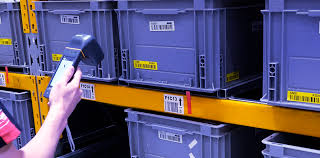
The global logistics sector is undergoing a transformative shift as RFID logistic labels emerge as the cornerstone of modern supply chain management. At the recently concluded Global Logistics Expo 2025, leading technology providers showcased cutting-edge RFID solutions designed to enhance traceability, reduce operational costs, and meet stringent compliance requirements across industries such as retail, healthcare, and food logistics.
RFID Logistic Labels Revolutionize Supply Chain Efficiency

In the era of Industry 4.0,RFID labels have emerged as a cornerstone of intelligent supply chain management, asset tracking, and consumer engagement. These compact devices, embedded with microchips and antennas, enable wireless data transmission, offering unparalleled efficiency compared to traditional barcodes. From retail to healthcare, RFID labels are revolutionizing operations across diverse sectors.
RFID Fin Tag Revolutionizes Retail Inventory Management

Relying on the advantages of batch identification of multiple tags and non-contact reading, RFID technology has realized the intelligent upgrading of the entire logistics link. Among them, the RFID UHF tags and RFID UHF tire tags developed by RFID tag manufacturers for logistics scenarios have solved the pain points of package management and transportation safety respectively, becoming a key support for smart logistics.
Application of RFID Tags in Express Logistics Industry