
From Factory to Wardrobe: How RFID is Reshaping Global Textile Ecosystem
author: admin
2025-06-09

From Factory to Wardrobe: How RFID is Reshaping Global Textile Ecosystem
Inventory Management and Supply Chain Tracking
One of the most widespread applications of RFID technology in the textile industry is inventory management and supply chain tracking. Textile companies can attach RFID laundry tags manufacturer to raw materials, semi-finished products, and finished goods to achieve end-to-end visual management.
Production Process Optimization
On textile production lines, RFID clothing tags can help companies monitor production progress. Each production batch or individual product can be equipped with RFID tags to record data such as production time, operator information, and machine parameters.
Retail and Anti-Counterfeiting
Premium textile brands use RFID NFC tags as an anti-counterfeiting measure. Consumers can scan the RFID tags on products with their smartphones to verify authenticity while obtaining detailed information about product origin and material composition.
Smart Laundry Management
Institutions such as hotels and hospitals use textiles (like bed sheets and towels) with UHF laundry tags to manage washing cycles. The system automatically records the number of washes for each textile item and alerts when replacement is needed upon reaching service life.
Apparel Rental and Sharing
Clothing rental platforms embed UHF clothing tags in each garment to track rental status, usage records, and maintenance history. This improves asset utilization and reduces management costs.
Personalized Customization Services
High-end custom clothing brands use RFID tags to store customer body measurements, preferred colors, and style information. When customers return, the system automatically retrieves their historical data to provide personalized service.
Sustainability and Recycling
Environmental organizations use RFID washable tags to track the material composition of textiles for easier sorting and recycling. The system can identify textiles containing recyclable materials, improving recycling efficiency and accuracy.
Smart Fitting Rooms
Retail stores install RFID readers in fitting rooms. When customers enter with RFID-tagged clothing, the system automatically displays product information, inventory status, and styling suggestions, enhancing the shopping experience.
Quality Control and Traceability
Textile manufacturers use RFID systems to record quality inspection data for each production batch. If quality issues arise, problematic batches can be quickly identified and analyzed, minimizing recall scope.
Warehouse Automation
Large textile warehouses deploy RFID systems for automated management. Unmanned forklifts automatically perform storage, retrieval, and inventory counting by reading RFID tags on shelves and goods.
Implementation Benefits
- Reduce manual inventory errors by 99%
- Improve inventory accuracy to over 98%
- Significantly enhance supply chain transparency
- Greatly strengthen anti-counterfeiting capabilities
- Increase operational efficiency by 30-50%
With the advancement of IoT technology, RFID applications in the textile industry will become more profound and extensive, bringing new opportunities for digital transformation to this traditional sector.
The power of RFID in retail management
RFID+NFC Revolutionizes Alcohol Anti-Counterfeiting: 76% Fraud Drop, "Tap-to-Verify" for Consumers
Related Article

Against the backdrop of accelerated urbanization and a surge in motor vehicle ownership, traditional traffic management models face pain points such as low efficiency and difficult control. Specialized tags developed by RFID tag manufacturers for traffic scenarios, such as RFID License Plate Tag and UHF windshield tags, have been deeply integrated into the entire chain of vehicle control, parking management, and public transportation scheduling.
RFID Tags Powering Smart Traffic Management Upgrade
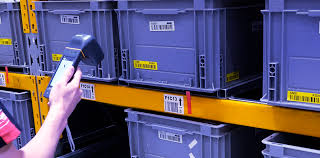
The global logistics sector is undergoing a transformative shift as RFID logistic labels emerge as the cornerstone of modern supply chain management. At the recently concluded Global Logistics Expo 2025, leading technology providers showcased cutting-edge RFID solutions designed to enhance traceability, reduce operational costs, and meet stringent compliance requirements across industries such as retail, healthcare, and food logistics.
RFID Logistic Labels Revolutionize Supply Chain Efficiency

In the era of Industry 4.0,RFID labels have emerged as a cornerstone of intelligent supply chain management, asset tracking, and consumer engagement. These compact devices, embedded with microchips and antennas, enable wireless data transmission, offering unparalleled efficiency compared to traditional barcodes. From retail to healthcare, RFID labels are revolutionizing operations across diverse sectors.
RFID Fin Tag Revolutionizes Retail Inventory Management
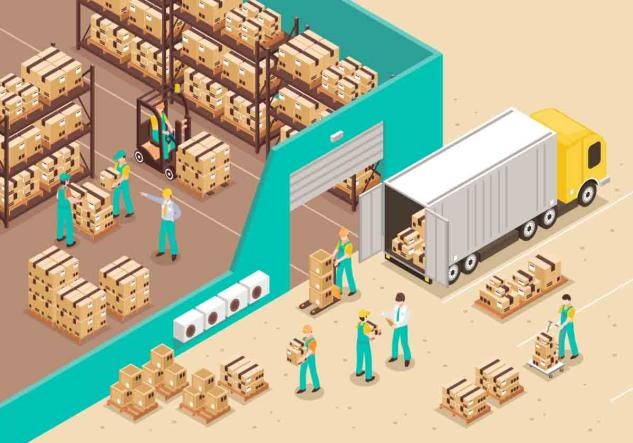
Relying on the advantages of batch identification of multiple tags and non-contact reading, RFID technology has realized the intelligent upgrading of the entire logistics link. Among them, the RFID UHF tags and RFID UHF tire tags developed by RFID tag manufacturers for logistics scenarios have solved the pain points of package management and transportation safety respectively, becoming a key support for smart logistics.
Application of RFID Tags in Express Logistics Industry