
Can RFID Tags Revolutionize Forestry Management
author: admin
2025-10-24

Can RFID Tags Revolutionize Forestry Management
As global forestry sectors grapple with challenges such as illegal logging, biodiversity loss, and inefficient resource management, RFID is emerging as a game-changer. From ancient tree conservation in China to commercial plantation tracking in Sri Lanka, RFID systems are transforming how forests are monitored, protected, and utilized.
Precision Conservation: Protecting Ancient Trees
In China, RFID tags have become instrumental in safeguarding "ancient and notable trees"—natural and cultural heritage sites. A system developed by Guangzhou Jianyon Information Technology embeds durable, weather-resistant RFID nails into tree trunks, storing data such as species, age, geographic coordinates, and health status. Paired and portable handheld readers, the technology enables real-time data updates and cloud-based archives.
For example, a municipal garden department reduced its tree census (census cycle) from six months to just one month, achieving over 98% data accuracy. RFID-enabled sensors further monitor environmental parameters like soil moisture and trunk tilt, triggering alerts for drought or storm risks. This "24/7 health guardian" model has extended tree lifespans and optimized conservation strategies.
Combating Illegal Logging: From Plantations to Timber Supply Chains
RFID’s role extends beyond conservation to combating illegal activities. In Sri Lanka, Sadaharitha Plantation Ltd. deployed UHF RFID tags across its commercial tree plantations, tracking each tree’s growth, fertilization, and pest treatment records. The system integrates with a mobile app for offline data collection, syncing with servers once connectivity is restored. This has slashed administrative costs and enabled remote oversight of plantations.
Meanwhile, China’s forestry authorities have adopted RFID for timber regulation. Tags embedded in logs store data such as species, origin, diameter, and destination, matched against permits at highway checkpoints, processing facilities, and warehouses. Fixed RFID readers ensure seamless verification, deterring theft and unauthorized trade.
Public Engagement: Bridging Technology and Tradition
RFID is also fostering public participation in forestry stewardship. In Zhejiang Province, electronic tags linked to QR codes and AR platforms allow the public to access tree histories, adoption records, and conservation efforts via smartphones. A "green currency" reward system incentivizes citizen involvement, with over 10,000 participants contributing to tree-planting drives.
Similarly, Shanghai’s pine tree management initiative uses RFID tags for traceability and disease control. By scanning tags, the public can report pest infestations or upload maintenance photos, creating a crowdsourced monitoring network.
Technical Innovations: Durability Meets Scalability
Key to RFID’s success in forestry is its adaptability to harsh environments. Tags are designed as screw-in (nail-shaped) devices with ABS casings, waterproof seals, and anti-corrosion coatings, ensuring longevity even in tropical climates. Handheld readers with GPS, cameras, and GPRS modules enable on-site data entry, while fixed readers at logistics hubs automate inventory checks.
For instance, a Philippine rainforest project integrated RFID with satellite imagery and big data analytics, achieving a 40% reduction in illegal deforestation. In China’s Anhui Province, an RFID-based system for wild plant conservation reduced manual inspections by 70%, freeing staff for strategic tasks.
Future Prospects: Toward a Digital Forestry Ecosystem
Experts predict RFID will soon integrate with blockchain for immutable logging records and AI for predictive tree health analytics. "The technology’s scalability allows it to cover individual trees, entire forests, and global supply chains," said Dr. Li Wei, a forestry technology researcher at Tsinghua University.
As nations pursue carbon neutrality goals, RFID’s ability to track biomass growth and carbon sequestration could unlock new revenue streams through carbon credits. "This is not just about managing trees—it’s about managing ecosystems for future generations," emphasized a spokesperson for China’s National Forestry and Grassland Administration.
With pilot projects yielding measurable benefits, RFID is poised to become a cornerstone of modern forestry. From ancient giants to commercial timberlands, the invisible threads of radio waves are weaving a smarter, safer future for the world’s forests.
RFID Empowers Intelligent Management of Hospital Patient Gowns and Bed Sheets
RFID Tags Drive Diversified Inventory Management Strategies Across Industries
Related Article

Against the backdrop of accelerated urbanization and a surge in motor vehicle ownership, traditional traffic management models face pain points such as low efficiency and difficult control. Specialized tags developed by RFID tag manufacturers for traffic scenarios, such as RFID License Plate Tag and UHF windshield tags, have been deeply integrated into the entire chain of vehicle control, parking management, and public transportation scheduling.
RFID Tags Powering Smart Traffic Management Upgrade
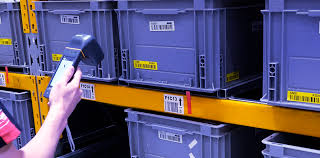
The global logistics sector is undergoing a transformative shift as RFID logistic labels emerge as the cornerstone of modern supply chain management. At the recently concluded Global Logistics Expo 2025, leading technology providers showcased cutting-edge RFID solutions designed to enhance traceability, reduce operational costs, and meet stringent compliance requirements across industries such as retail, healthcare, and food logistics.
RFID Logistic Labels Revolutionize Supply Chain Efficiency

In the era of Industry 4.0,RFID labels have emerged as a cornerstone of intelligent supply chain management, asset tracking, and consumer engagement. These compact devices, embedded with microchips and antennas, enable wireless data transmission, offering unparalleled efficiency compared to traditional barcodes. From retail to healthcare, RFID labels are revolutionizing operations across diverse sectors.
RFID Fin Tag Revolutionizes Retail Inventory Management

Relying on the advantages of batch identification of multiple tags and non-contact reading, RFID technology has realized the intelligent upgrading of the entire logistics link. Among them, the RFID UHF tags and RFID UHF tire tags developed by RFID tag manufacturers for logistics scenarios have solved the pain points of package management and transportation safety respectively, becoming a key support for smart logistics.
Application of RFID Tags in Express Logistics Industry