
Applications of Various Types of RFID Tags in Retail
author: admin
2025-09-11

Applications of Various Types of RFID Tags in Retail
RFID passive tag is the most widely used type in retail. It has no built-in power supply and operates by obtaining energy from radio frequency signals emitted by readers. It features low cost, small size, and long service life, making it suitable for large-scale individual product management.
Apparel Retail: Used for the full-life-cycle management of clothing. Starting from the production stage, each piece of clothing is attached with a passive RFID tag that stores information such as style, size, color, and production batch. In stores, employees can quickly take stock using handheld readers, reducing the stocktaking time from hours to more than ten minutes and greatly improving inventory efficiency. When consumers try on clothes, smart fitting mirrors read the tag information and automatically recommend matching styles, enhancing the shopping experience. During checkout, multiple items can pass through the RFID checkout channel simultaneously without being scanned one by one, reducing queuing time.
FMCG (Fast-Moving Consumer Goods) Retail: Applied to products like food and daily necessities. By attaching tags to product packaging, supermarkets can monitor shelf inventory in real time. When the inventory of a certain type of product falls below the threshold, the system automatically triggers a replenishment reminder to avoid stockouts. Meanwhile, it can accurately track the shelf life of products and automatically prompt store staff to conduct promotional handling when products are approaching their expiration date, reducing losses. RFID tag manufacturers can customize the size of RFID tags according to various types of objects.
II. Applications of RFID Tags Classified by Frequency
(I) High-Frequency (HF) RFID Tags
It operates at a frequency of approximately 13.56MHz, with a moderate reading distance (usually 10cm - 1m) and a higher data transmission rate than LF tags. It supports two-way communication and is widely used in scenarios requiring high data interaction.
Book Retail and Rental: HF RFID tags are pasted on the back covers of books, storing information such as the book's ISBN number, title, author, and category. In bookstores, consumers can place the selected books on the RFID reader of the self-service checkout counter to complete the checkout quickly. In libraries or book rental stores, during the book borrowing and returning process, readers can quickly identify book tags and automatically complete the borrowing and returning registration. It also facilitates staff in book inventory and searching, improving book management efficiency.
Cosmetics Retail: Some high-end cosmetics adopt RFID NFC tags. In addition to storing basic product information, the tags can also record the sales area and production date of the products. Consumers can query the authenticity and traceability information of cosmetics through the readers in brand counters, enhancing consumer confidence. Brand owners can also understand the sales situation in different regions through tag data and optimize the product distribution strategy.
(II) Ultra-High Frequency (UHF) RFID Tags
It generally works at a frequency of 860-960MHz, with a long reading distance (up to 1-10m or even longer) and fast reading speed. It can identify multiple tags simultaneously, making it suitable for large-scale and rapid product identification and inventory.
Large Supermarkets and Warehouse Retail: Each product on the shelves of supermarkets is attached with a UHF RFID tag. Staff can use handheld or fixed long-distance readers to quickly take stock of the products on the entire shelf, completing the inventory check of a large shelf within a few minutes, which significantly reduces labor costs and inventory time. In the warehouses of warehouse retail enterprises, UHF RFID technology can realize efficient in-out inventory management of goods. When goods are transported out of the warehouse, the readers at the door automatically identify the product tags and complete the outbound registration, avoiding errors and delays caused by manual registration.
Electronics Retail: Applied to electronic products such as mobile phones, computers, and tablet computers. UHF RFID tags are attached to these products after production. In retail stores, store staff can quickly understand the inventory quantity and model configuration of electronic products on the shelves through long-distance readers and replenish out-of-stock products in a timely manner. At the same time, the tags can also play an anti-counterfeiting role. Consumers can read the tag information through official channels to verify the authenticity of electronic products and avoid purchasing counterfeit and shoddy products.
How Hospitals Use RFID Tags to Revolutionize Pharmaceutical Management
How RFID Tags Cut Costs in Business Management
Related Article
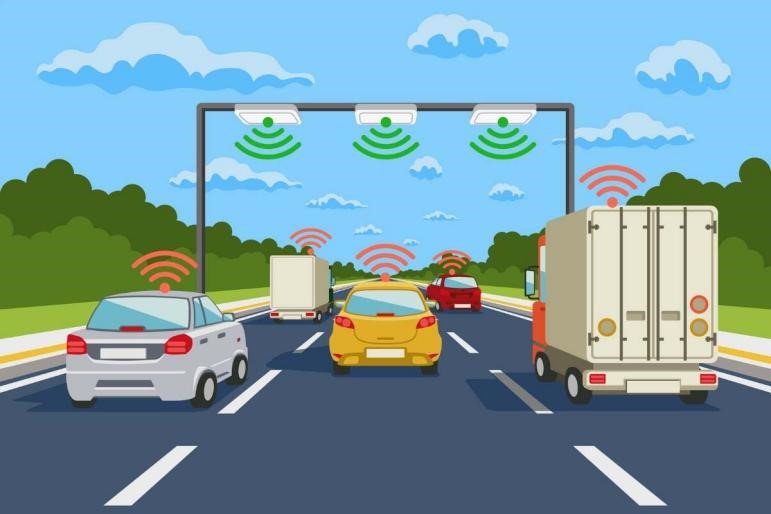
Against the backdrop of accelerated urbanization and a surge in motor vehicle ownership, traditional traffic management models face pain points such as low efficiency and difficult control. Specialized tags developed by RFID tag manufacturers for traffic scenarios, such as RFID License Plate Tag and UHF windshield tags, have been deeply integrated into the entire chain of vehicle control, parking management, and public transportation scheduling.
RFID Tags Powering Smart Traffic Management Upgrade
The global logistics sector is undergoing a transformative shift as RFID logistic labels emerge as the cornerstone of modern supply chain management. At the recently concluded Global Logistics Expo 2025, leading technology providers showcased cutting-edge RFID solutions designed to enhance traceability, reduce operational costs, and meet stringent compliance requirements across industries such as retail, healthcare, and food logistics.
RFID Logistic Labels Revolutionize Supply Chain Efficiency

In the era of Industry 4.0,RFID labels have emerged as a cornerstone of intelligent supply chain management, asset tracking, and consumer engagement. These compact devices, embedded with microchips and antennas, enable wireless data transmission, offering unparalleled efficiency compared to traditional barcodes. From retail to healthcare, RFID labels are revolutionizing operations across diverse sectors.
RFID Fin Tag Revolutionizes Retail Inventory Management
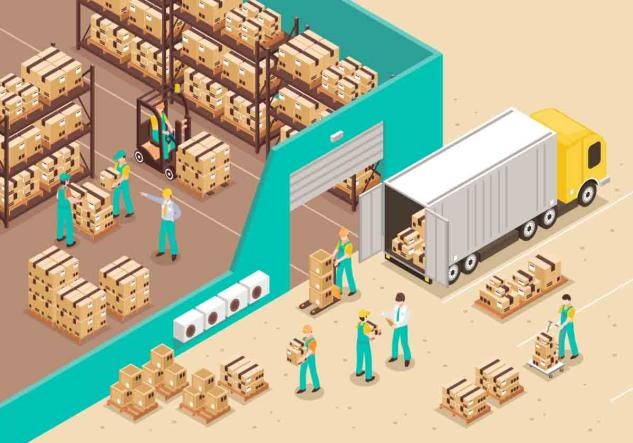
Relying on the advantages of batch identification of multiple tags and non-contact reading, RFID technology has realized the intelligent upgrading of the entire logistics link. Among them, the RFID UHF tags and RFID UHF tire tags developed by RFID tag manufacturers for logistics scenarios have solved the pain points of package management and transportation safety respectively, becoming a key support for smart logistics.
Application of RFID Tags in Express Logistics Industry