
How RFID Technology is Driving Innovation in the Apparel Industry's Production and Management
author: admin
2025-04-21

How RFID Technology is Driving Innovation in the Apparel Industry's Production and Management
In recent years, with the rapid development of technology, RFID (Radio Frequency Identification) technology has been increasingly applied in the apparel industry, bringing revolutionary changes to production and management. As an efficient and automated data collection technology, RFID is helping apparel companies optimize supply chains, improve production efficiency, enhance inventory management capabilities, and provide consumers with a smarter shopping experience.
Introduction to RFID Technology
RFID technology identifies specific targets and reads related data through radio waves, enabling rapid information transfer without manual intervention. Compared to traditional barcodes, RFID tags offer greater storage capacity, longer reading distances, and higher durability, making them particularly suitable for the apparel industry.
Driving Production Innovation
In the apparel production process, RFID technology enables end-to-end tracking from raw materials to finished products. By embedding RFID laundry tags in fabrics, accessories, and semi-finished products, companies can monitor production progress in real-time, optimize resource allocation, and reduce waste. For example, factories can accurately track the inventory of each batch of materials, avoiding production halts due to material shortages. Additionally, RFID technology helps detect quality issues during production, ensuring products meet standards.
Optimizing Supply Chain Management
The application of RFID technology in supply chain management has significantly improved logistics efficiency in the apparel industry. Through RFID tags, companies can track the location and status of goods in real-time, reducing losses and damages during transportation. Moreover, RFID technology enables automated inventory counting, drastically reducing counting time and labor costs. For instance, a well-known apparel brand reduced its inventory counting time from several days to just a few hours after adopting RFID technology, with significantly improved accuracy.
Enhancing Retail Experience
On the retail side, RFID technology offers consumers a smarter shopping experience. With RFID retail tags, stores can monitor the inventory of each item in real-time and quickly respond to consumer needs. For example, when a particular garment is out of stock, staff can immediately check the inventory of other stores or warehouses through the system and arrange transfers. Additionally, RFID technology supports self-checkout functions, where consumers can place items in a smart shopping cart, and the system automatically recognizes and generates a bill, significantly reducing checkout time.
Promoting Sustainability
The application of RFID technology also helps the apparel industry achieve sustainability goals. Through precise inventory management and production optimization, companies can reduce excess inventory and resource waste. Furthermore, RFID technology can track the lifecycle of garments, promoting recycling and reuse, and reducing environmental pollution.
Future Outlook
As RFID technology continues to mature, its application in the apparel industry will become more extensive and in-depth. In the future, RFID technology is expected to integrate with advanced technologies such as artificial intelligence and big data, further driving the digital transformation of the apparel industry. For example, by analyzing data collected by RFID, companies can more accurately predict market demand, optimize product design, and enhance market competitiveness.
In conclusion, RFID technology is bringing unprecedented changes to the apparel industry, improving efficiency and intelligence levels from production to management and retail experience. With the widespread adoption of the technology, the apparel industry is poised for a more efficient, intelligent, and sustainable future.
What types of RFID tags are needed in hospitals
How to Properly Choose the Right RFID Tag
Related Article

Against the backdrop of accelerated urbanization and a surge in motor vehicle ownership, traditional traffic management models face pain points such as low efficiency and difficult control. Specialized tags developed by RFID tag manufacturers for traffic scenarios, such as RFID License Plate Tag and UHF windshield tags, have been deeply integrated into the entire chain of vehicle control, parking management, and public transportation scheduling.
RFID Tags Powering Smart Traffic Management Upgrade
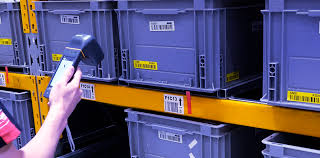
The global logistics sector is undergoing a transformative shift as RFID logistic labels emerge as the cornerstone of modern supply chain management. At the recently concluded Global Logistics Expo 2025, leading technology providers showcased cutting-edge RFID solutions designed to enhance traceability, reduce operational costs, and meet stringent compliance requirements across industries such as retail, healthcare, and food logistics.
RFID Logistic Labels Revolutionize Supply Chain Efficiency

In the era of Industry 4.0,RFID labels have emerged as a cornerstone of intelligent supply chain management, asset tracking, and consumer engagement. These compact devices, embedded with microchips and antennas, enable wireless data transmission, offering unparalleled efficiency compared to traditional barcodes. From retail to healthcare, RFID labels are revolutionizing operations across diverse sectors.
RFID Fin Tag Revolutionizes Retail Inventory Management
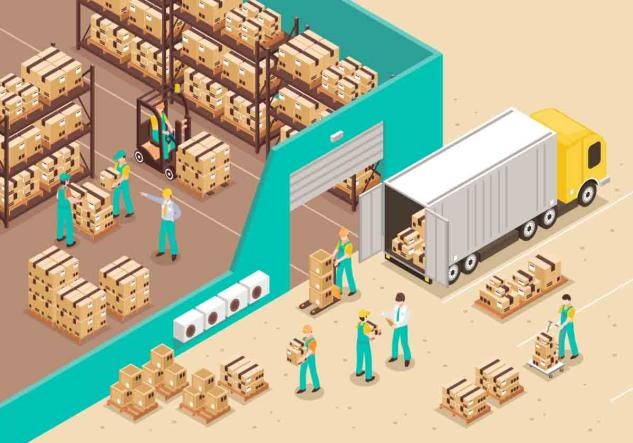
Relying on the advantages of batch identification of multiple tags and non-contact reading, RFID technology has realized the intelligent upgrading of the entire logistics link. Among them, the RFID UHF tags and RFID UHF tire tags developed by RFID tag manufacturers for logistics scenarios have solved the pain points of package management and transportation safety respectively, becoming a key support for smart logistics.
Application of RFID Tags in Express Logistics Industry