
RFID Tags in High-Temperature Environments
author: admin
2025-11-13
RFID Tags in High-Temperature Environments
As industries such as automotive manufacturing, metallurgy, and aerospace push operational boundaries, the demand for RFID (Radio Frequency Identification) technology in extreme conditions has surged. However, deploying RFID sticker factory in high-temperature environments—ranging from automotive paint shops to steel smelting furnaces—requires specialized solutions to ensure reliability. This article explores critical considerations for selecting and implementing RFID tags in such harsh settings.
1. Temperature Resistance and Duration
Traditional RFID tags typically fail above 85°C, but industrial applications often demand tolerance exceeding 200°C. For instance, tags used in automotive chassis baking processes must withstand sustained exposure to 150–180°C for hours, while steel industry tags may endure brief spikes up to 300°C.
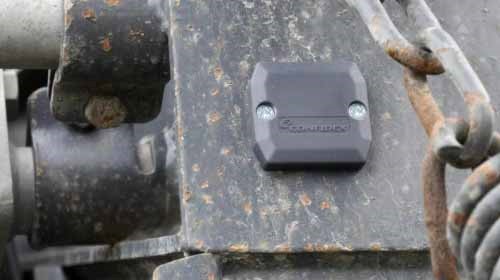
Solution: Opt for tags rated for both peak temperature and duration. a UHF RFID sticker, uses polyimide (PI) and ceramic composites to resist 250°C for over 1,000 hours. Similarly, Contrinex’s HF High-Temperature tags employ LCP (Liquid Crystal Polymer) housings, achieving 250°C resistance with IP68/IP69K ratings for dust and waterproofing.
2. Installation Methods to Prevent Detachment
High temperatures often degrade adhesive backings, causing tags to detach. In automotive paint shops, for example, standard adhesives fail under repeated thermal cycling.
Solution: Use mechanical fastening or embedding techniques:
Welding/Soldering: Tags like metal-mount series can be welded directly onto metal surfaces.
Epoxy Bonding: High-temperature epoxy resins (e.g., polyimide-based adhesives) withstand 300°C.
Embedding: Recess tags into products via laser-cut grooves, as seen in aerospace component tracking.
3. Material Durability and Anti-Metal Interference
Metal environments (e.g., engine parts, industrial machinery) distort RFID signals, reducing read ranges. Additionally, chemical exposure in sectors like petrochemicals can corrode tag housings.
Solution: Deploy anti-metal sticker with specialized layers:
Ceramic Tag/PI Backing: Contrinex’s HF tags use ceramic substrates to isolate antennas from metal interference.
FRAM Memory: Ferroelectric RAM (FRAM) in tags ensures data integrity despite thermal stress.
Coatings: Nanoparticle coatings (e.g., silica-based) protect against oxidation and acids.
4. Frequency Band Selection
5. UHF (860–960 MHz) and HF (13.56 MHz) tags exhibit different thermal behaviors:
HF Tags: More stable in high-temperature metal environments due to shorter read ranges and magnetic coupling. Contrinex’s HF tags achieve 60 mm read distances at 250°C.
UHF Tags: Offer longer ranges (up to 5 meters) but require anti-metal designs. a metallic foil layer to mitigate signal reflection.
6. Industry-Specific Applications
Automotive: Tracking engine blocks during heat treatment (150–200°C) with tags embedded in castings.
Metallurgy: Monitoring iron ore canisters in steel mills (300°C) via Contrinex’s LCP-housed HF tags.
Aerospace: Embedding tags in turbine blades for lifecycle tracking, using welded titanium tags.
Healthcare: Sterilization tracking (134°C autoclave cycles) with岳冉TH207 PPS-sealed tags for surgical instruments.
7. Compliance with Industry Standards
Application Value of RFID High-Frequency and UHF Tags in Library Management
RFID Empowers New Efficiency in Warehouse Material Management
Related Article

Against the backdrop of accelerated urbanization and a surge in motor vehicle ownership, traditional traffic management models face pain points such as low efficiency and difficult control. Specialized tags developed by RFID tag manufacturers for traffic scenarios, such as RFID License Plate Tag and UHF windshield tags, have been deeply integrated into the entire chain of vehicle control, parking management, and public transportation scheduling.
RFID Tags Powering Smart Traffic Management Upgrade
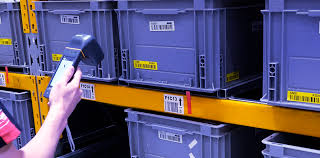
The global logistics sector is undergoing a transformative shift as RFID logistic labels emerge as the cornerstone of modern supply chain management. At the recently concluded Global Logistics Expo 2025, leading technology providers showcased cutting-edge RFID solutions designed to enhance traceability, reduce operational costs, and meet stringent compliance requirements across industries such as retail, healthcare, and food logistics.
RFID Logistic Labels Revolutionize Supply Chain Efficiency

In the era of Industry 4.0,RFID labels have emerged as a cornerstone of intelligent supply chain management, asset tracking, and consumer engagement. These compact devices, embedded with microchips and antennas, enable wireless data transmission, offering unparalleled efficiency compared to traditional barcodes. From retail to healthcare, RFID labels are revolutionizing operations across diverse sectors.
RFID Fin Tag Revolutionizes Retail Inventory Management

Relying on the advantages of batch identification of multiple tags and non-contact reading, RFID technology has realized the intelligent upgrading of the entire logistics link. Among them, the RFID UHF tags and RFID UHF tire tags developed by RFID tag manufacturers for logistics scenarios have solved the pain points of package management and transportation safety respectively, becoming a key support for smart logistics.
Application of RFID Tags in Express Logistics Industry