
RFID Technology and RFID Tag Manufacturers Boost Digital Transformation of Clothing Stores
author: admin
2025-11-26
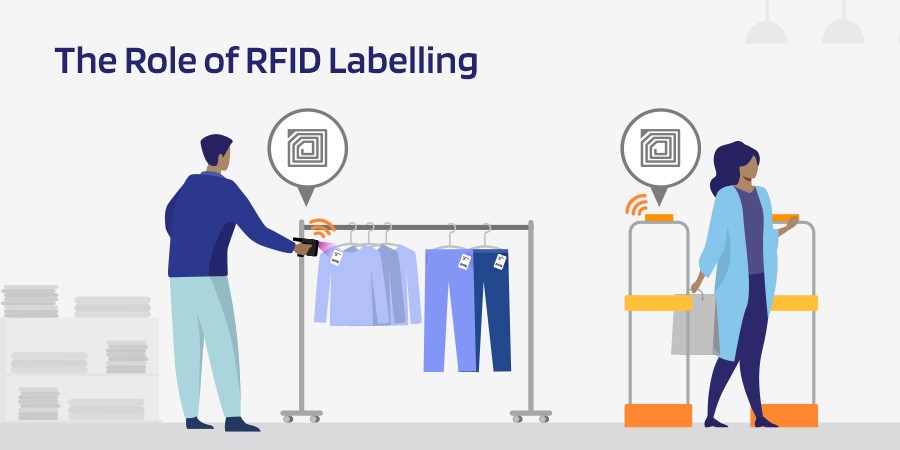
RFID Technology and RFID Tag Manufacturers Boost Digital Transformation of Clothing Stores
As an "intelligent housekeeper" for inventory management, RFID tags serve as an efficient and accurate information hub.
The pain points of traditional clothing stores include chaotic inventory and time-consuming stocktaking. Before each garment leaves the factory, it is affixed with a tag produced by a professional RFID Stickers Factory. The tag pre-stores core information such as the garment's style number, color, size, and production date, acting as the garment's "electronic ID card."
In the warehousing process, staff do not need to scan barcodes one by one. They only need to quickly scan the entire box of clothes with an UHF handheld reader or a fixed reader. The system can instantly identify all garment information and complete the warehousing registration. The efficiency is more than 10 times higher than the traditional method, and the error rate is almost zero. During daily stocktaking, staff can complete the quantity check and out-of-stock inspection of all store clothes by walking around the store with the device. The stocktaking work that originally required several people to spend a whole day can now be completed by 1-2 people in half an hour. For chain clothing stores, the headquarters can also obtain real-time inventory data of each store through the background system, realizing accurate replenishment and transfer, and reducing inventory backlog and out-of-stock losses.
The "Optimization Engine" of the Sales Process - Enhancing Experience and Conversion
In the sales process, UHF clothing tags empower the entire process from fitting to checkout, creating a smooth consumer experience. When consumers bring clothes with RFID garment tags into the smart fitting room, the reader in the fitting room will automatically identify the clothing information, recommend matching accessories and shoes through the screen, and also display the clothing's matching renderings, fabric composition and care instructions, helping consumers make purchasing decisions quickly.
At the checkout stage, cashiers do not need to scan clothes one by one. When multiple clothes are placed on the RFID checkout counter at the same time, the system can instantly identify all products and complete the pricing, avoiding the problems of "missing scans and repeated scans" during traditional barcode scanning. The checkout efficiency is increased by more than 50%, greatly reducing the waiting time for consumers. In addition, UHF clothing tags can help store staff locate products quickly: when a consumer inquires about a specific size of a certain garment, the staff can enter the information through the terminal, and the system will display the specific shelf position of the product, improving the service response speed. It is worth noting that RFID tag manufacturers will adjust the size and material of the tags according to the clothing material (such as silk, wool) to ensure that the tags do not damage the clothes while ensuring stable signals.
A "security barrier" for theft prevention and traceability-protecting assets and brand reputation
Clothing theft is a common source of loss for clothing stores. RFID tags link with the store's anti-theft system to form an efficient anti-theft network. When uncheckout clothes with tags are taken out of the store, the RFID anti-theft antenna at the door will immediately sound an alarm, reminding the staff to handle it in time, effectively reducing the theft rate. Compared with traditional magnetic stripe anti-theft, RFID tags have stronger anti-theft stability, are not easy to fail due to washing and folding, and can identify multiple products at the same time, avoiding false alarms.
In terms of product traceability, RFID tags also play a key role. If a batch of clothing has quality problems, the store can quickly trace the storage time, sales records and flow direction of the batch through the tags, accurately recall the problematic products, and reduce the loss of brand reputation. For high-end clothing brands, RFID tags can also integrate anti-counterfeiting information. Consumers can verify the authenticity of the product by scanning the tag with a mobile phone, eliminating the circulation of counterfeit goods. The realization of these functions relies on the encrypted chips and stable radio frequency technology implanted in the tags by the RFID tag manufacturer.
Data-driven decision-making basis-enabling precise operations
RFID tags generate a lot of data during use, such as the trial rate of clothing, the sales speed of best-selling styles, and the inventory turnover of different sizes. By analyzing these data, clothing stores can accurately grasp consumer needs: if a certain style of clothing has a high trial rate but a low purchase rate, it may be a problem with pricing or version; if a certain size is frequently out of stock, the replenishment ratio can be adjusted in time. These data provide a scientific basis for clothing store decisions such as purchasing, display, and promotion, helping stores optimize product structure and improve profitability. The foundation of all this is that the tags provided by the RFID tag manufacturer can collect and transmit data stably and accurately.
In clothing stores, RFID tags have upgraded from a single identification tool to a core node of the whole-process operation, and RFID tag manufacturers provide technical support to make the tags better adapt to the needs of the clothing industry. The combination of the two not only solves the traditional pain points of clothing stores, but also promotes the development of the industry in the direction of digitalization and intelligence.
Which RFID Tag work best on metal surface
Which RFID Tag Is Right for Your Use Case
Related Article
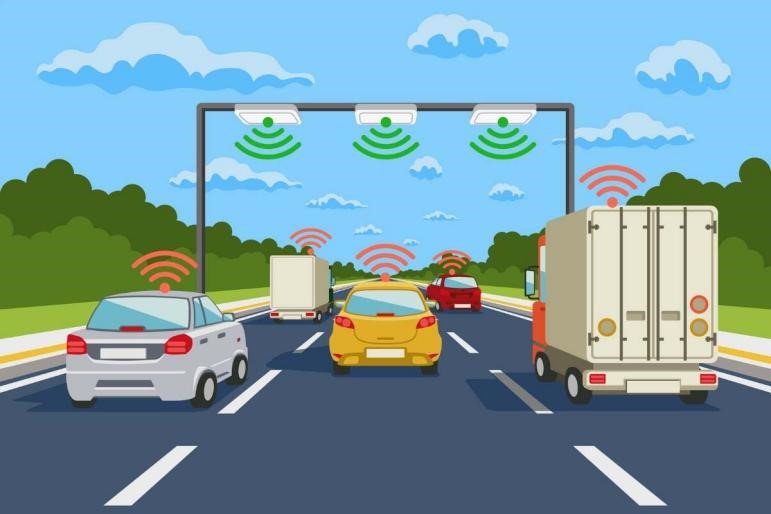
Against the backdrop of accelerated urbanization and a surge in motor vehicle ownership, traditional traffic management models face pain points such as low efficiency and difficult control. Specialized tags developed by RFID tag manufacturers for traffic scenarios, such as RFID License Plate Tag and UHF windshield tags, have been deeply integrated into the entire chain of vehicle control, parking management, and public transportation scheduling.
RFID Tags Powering Smart Traffic Management Upgrade
The global logistics sector is undergoing a transformative shift as RFID logistic labels emerge as the cornerstone of modern supply chain management. At the recently concluded Global Logistics Expo 2025, leading technology providers showcased cutting-edge RFID solutions designed to enhance traceability, reduce operational costs, and meet stringent compliance requirements across industries such as retail, healthcare, and food logistics.
RFID Logistic Labels Revolutionize Supply Chain Efficiency

In the era of Industry 4.0,RFID labels have emerged as a cornerstone of intelligent supply chain management, asset tracking, and consumer engagement. These compact devices, embedded with microchips and antennas, enable wireless data transmission, offering unparalleled efficiency compared to traditional barcodes. From retail to healthcare, RFID labels are revolutionizing operations across diverse sectors.
RFID Fin Tag Revolutionizes Retail Inventory Management
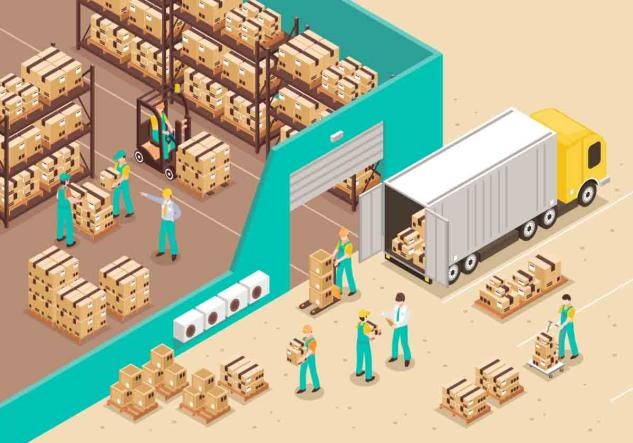
Relying on the advantages of batch identification of multiple tags and non-contact reading, RFID technology has realized the intelligent upgrading of the entire logistics link. Among them, the RFID UHF tags and RFID UHF tire tags developed by RFID tag manufacturers for logistics scenarios have solved the pain points of package management and transportation safety respectively, becoming a key support for smart logistics.
Application of RFID Tags in Express Logistics Industry