
Why libraries use RFID
author: admin
2024-12-13

Why libraries use RFID
Radio-frequency identification (RFID) technology has been increasingly adopted by libraries around the world to improve their operations. A RFID system consists of three main components: RFID tags, reader antennas, and software.
RFID tags are small electronic devices that can be attached to library items, such as books, DVDs, and CDs. These tags contain a unique identifier that can be read by RFID reader antennas.
Reader antennas are installed at various locations in the library, such as the circulation desk and bookshelves. When an RFID-tagged item passes by a reader antenna, the antenna sends a signal to the tag, which responds with its unique identifier.
Software is used to manage the data collected by the reader antennas. This data can include information such as item location and borrowing history.
So why are libraries adopting RFID technology? One reason is improved efficiency. RFID technology allows librarians to quickly and accurately check-in and check-out items, reducing waiting times for patrons and freeing up staff to focus on other tasks. The technology also enables library staff to quickly locate misplaced items, reducing the need for time-consuming searches.
RFID technology also offers libraries the opportunity to collect valuable data about their collections and operations. By analyzing RFID data, libraries can gain insights into how often items are borrowed, which items are most popular, and how long items are kept before being returned.
In conclusion, RFID technology is increasingly being adopted by libraries around the world as a way to improve efficiency, enhance security, and gain valuable insights into their operations. As libraries continue to evolve and embrace new technologies, RFID is sure to play an important role in their continued success.
Design Principles and Application Scenarios of RFID Jewelry Tags
RFID Technology Drives Innovation in Clothing Stores
Related Article

Against the backdrop of accelerated urbanization and a surge in motor vehicle ownership, traditional traffic management models face pain points such as low efficiency and difficult control. Specialized tags developed by RFID tag manufacturers for traffic scenarios, such as RFID License Plate Tag and UHF windshield tags, have been deeply integrated into the entire chain of vehicle control, parking management, and public transportation scheduling.
RFID Tags Powering Smart Traffic Management Upgrade
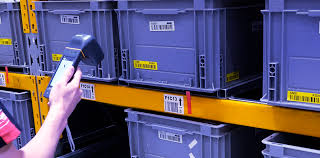
The global logistics sector is undergoing a transformative shift as RFID logistic labels emerge as the cornerstone of modern supply chain management. At the recently concluded Global Logistics Expo 2025, leading technology providers showcased cutting-edge RFID solutions designed to enhance traceability, reduce operational costs, and meet stringent compliance requirements across industries such as retail, healthcare, and food logistics.
RFID Logistic Labels Revolutionize Supply Chain Efficiency

In the era of Industry 4.0,RFID labels have emerged as a cornerstone of intelligent supply chain management, asset tracking, and consumer engagement. These compact devices, embedded with microchips and antennas, enable wireless data transmission, offering unparalleled efficiency compared to traditional barcodes. From retail to healthcare, RFID labels are revolutionizing operations across diverse sectors.
RFID Fin Tag Revolutionizes Retail Inventory Management

Relying on the advantages of batch identification of multiple tags and non-contact reading, RFID technology has realized the intelligent upgrading of the entire logistics link. Among them, the RFID UHF tags and RFID UHF tire tags developed by RFID tag manufacturers for logistics scenarios have solved the pain points of package management and transportation safety respectively, becoming a key support for smart logistics.
Application of RFID Tags in Express Logistics Industry