
The Future of RFID Tags Innovation, Integration, and Expansion
author: admin
2025-03-14
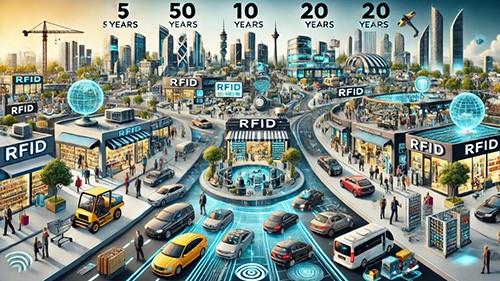
The Future of RFID Tags Innovation, Integration, and Expansion
RFID technology has been a game-changer in industries ranging from retail and logistics to healthcare and agriculture. As we look ahead, the future of RFID tags manufacturer promises even greater advancements, driven by technological innovation, integration with emerging systems, and expanding applications. Here’s a glimpse into what the future holds for RFID stickers
Miniaturization and Enhanced Functionality
RFID tags are set to become smaller and more versatile. Advances in microelectronics will enable the production of ultra-compact tags that can be embedded into everyday objects, textiles, or even biological entities. Additionally, RFID tag will increasingly integrate with sensors to monitor environmental conditions such as temperature, humidity, and pressure, transforming them into smart data collection tools.
Improved Performance and Range
The next generation of RFID labels will operate at higher frequencies, offering faster data transmission and longer read ranges. Innovations in antenna design and signal processing will allow tags to be detected from distances of several meters, making them ideal for large-scale applications like warehouse management and smart cities.
Cost Reduction and Sustainability
As manufacturing processes become more efficient, the cost of tags RFID will continue to decline, making them accessible to a broader range of industries. Furthermore, the development of eco-friendly materials and biodegradable tags will address environmental concerns, aligning with global sustainability goals.
Security and Privacy Enhancements
With the growing use of RFID technology, security and privacy will remain top priorities. Future RFID tags will incorporate advanced encryption protocols and features like self-destruct mechanisms or temporary disabling options to protect sensitive data and user privacy.
Integration with IoT and AI
RFID tags will play a pivotal role in the Internet of Things (IoT) ecosystem, serving as essential nodes for real-time data collection and communication. When combined with artificial intelligence (AI), RFID systems will enable predictive analytics, optimize supply chains, and automate complex processes in industries such as manufacturing and healthcare.
Emerging Applications
The potential applications of UHF/HF RFID tags are virtually limitless. In healthcare, they will enhance patient safety and streamline equipment tracking. In agriculture, they will enable precision farming and food traceability. In smart cities, they will improve traffic management, waste disposal, and energy efficiency.
Global Standardization and Adoption
The future will see increased standardization of RFID technology, ensuring compatibility across different systems and regions. This will accelerate its adoption in developing markets, where RFID can drive economic growth and technological advancement.
Energy Efficiency and Passive Technology
Passive RFID tags, which do not require batteries, will continue to dominate due to their low cost and long lifespan. Innovations in energy harvesting techniques, such as solar or kinetic energy, will further enhance their efficiency and reliability.
Customization and Personalization
As industries demand tailored solutions, RFID tag will become more customizable. From unique shapes and materials to specialized functionalities, the ability to design tags for specific use cases will unlock new possibilities.
Conclusion
The future of RFID tags is bright, marked by continuous innovation and widespread adoption. As they evolve to become smarter, more secure, and more sustainable, RFID tags will remain at the forefront of technological progress, shaping industries and improving lives worldwide.
*Stay tuned as RFID technology continues to revolutionize the way we live, work, and connect.*
The Application of RFID UHF laundry Tags
Revolutionizing the Operating Room: How RFID Tags Are Enhancing Surgical Precision and Safety
Related Article
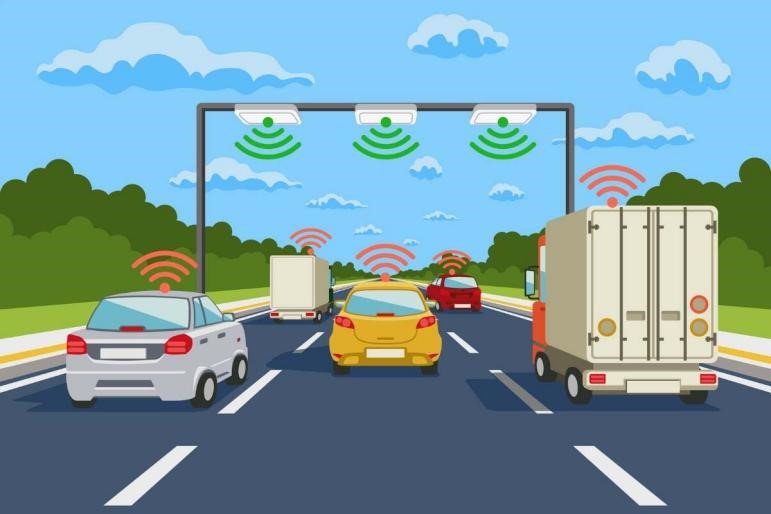
Against the backdrop of accelerated urbanization and a surge in motor vehicle ownership, traditional traffic management models face pain points such as low efficiency and difficult control. Specialized tags developed by RFID tag manufacturers for traffic scenarios, such as RFID License Plate Tag and UHF windshield tags, have been deeply integrated into the entire chain of vehicle control, parking management, and public transportation scheduling.
RFID Tags Powering Smart Traffic Management Upgrade
The global logistics sector is undergoing a transformative shift as RFID logistic labels emerge as the cornerstone of modern supply chain management. At the recently concluded Global Logistics Expo 2025, leading technology providers showcased cutting-edge RFID solutions designed to enhance traceability, reduce operational costs, and meet stringent compliance requirements across industries such as retail, healthcare, and food logistics.
RFID Logistic Labels Revolutionize Supply Chain Efficiency

In the era of Industry 4.0,RFID labels have emerged as a cornerstone of intelligent supply chain management, asset tracking, and consumer engagement. These compact devices, embedded with microchips and antennas, enable wireless data transmission, offering unparalleled efficiency compared to traditional barcodes. From retail to healthcare, RFID labels are revolutionizing operations across diverse sectors.
RFID Fin Tag Revolutionizes Retail Inventory Management

Relying on the advantages of batch identification of multiple tags and non-contact reading, RFID technology has realized the intelligent upgrading of the entire logistics link. Among them, the RFID UHF tags and RFID UHF tire tags developed by RFID tag manufacturers for logistics scenarios have solved the pain points of package management and transportation safety respectively, becoming a key support for smart logistics.
Application of RFID Tags in Express Logistics Industry