
Cost of RFID Tags vs Barcodes
author: admin
2025-12-04
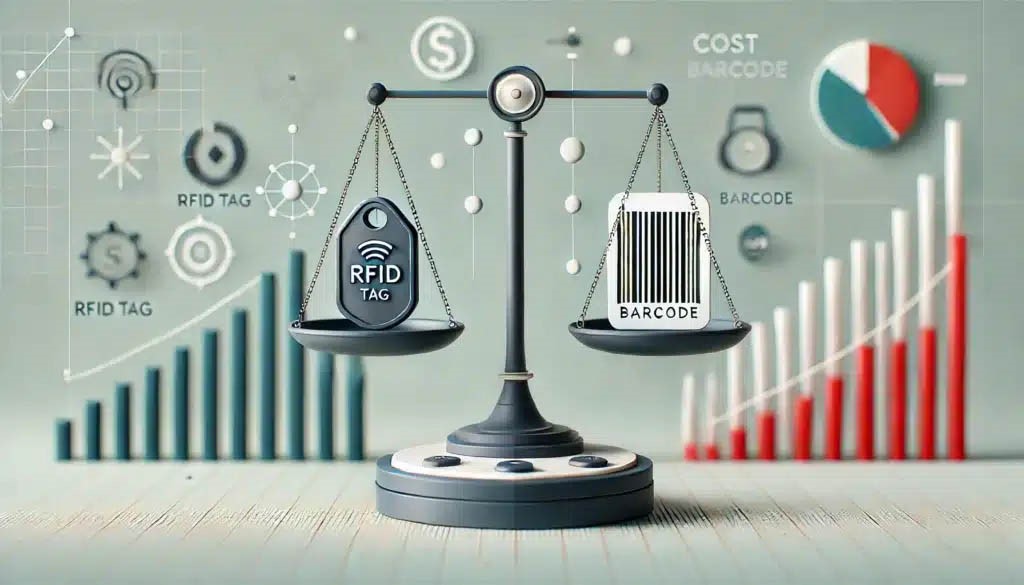
Cost of RFID Tags vs Barcodes
In the rapidly evolving landscape of inventory management and asset tracking, businesses face a critical decision: investing in RFID (Radio Frequency Identification) technology or sticking with traditional barcode systems. While both solutions offer distinct advantages, their cost structures and operational efficiencies vary significantly, shaping their adoption across industries.
Price Breakdown: RFID Tags vs. Barcodes
As of 2025, the cost disparity between RFID tags Price and barcodes remains stark. Passive RFID tags, the most commonly used variant, average 0.11–0.19 per unit for bulk purchases, with high-volume orders (10,000+ units) driving prices as low as 0.08–0.095 each. For example, Walmart’s 2025 smart shelf initiative secured 14 million RFID tags at 0.095pertag,saving3.8 million compared to standard rates. Active RFID tags, which include batteries for extended range and functionality, cost 25–100+ per unit, catering to niche applications like real-time vehicle tracking or high-security asset monitoring.In contrast, barcode labels are far cheaper, with costs ranging from 0.01–0.05 per label for basic paper-based options to 0.10–0.15 for weatherproof or synthetic materials. A 2025 industry report highlights that even high-quality, durable barcodes rarely exceed $0.20 per unit, making them the go-to choice for cost-sensitive industries like retail and logistics.
Hidden Costs: Beyond the RFID Sticker Price
While barcodes appear cheaper upfront, their total cost of ownership (TCO) can escalate due to operational inefficiencies. For instance:Labor Costs: Scanning 500 items with barcodes takes 45–60 minutes (45–60 in labor), whereas RFID systems complete the task in 90 seconds ($1.50 in labor).
Error Rates: Barcode systems require 18% of staff time to fix errors, while RFID’s auto-capture technology reduces this to near-zero.
Replacement Rates: Barcodes suffer a 30% monthly replacement rate due to damage or wear, compared to RFID tags’ 1% rate over a five-year lifespan.
Theft Prevention: RFID exit sensors cut theft losses by enabling real-time tracking, whereas barcodes lack built-in security mechanisms.
The global barcode scanner market, projected to reach $19.5 billion by 2026, is driven by demand for automation in warehouses and healthcare. However, RFID’s non-contact reading, multi-tag capture, and durability in harsh environments position it as the superior choice for high-value asset tracking.
Conclusion: Choosing the Right Technology
The decision between RFID system Price and barcodes hinges on business size, tracking needs, and long-term ROI. While barcodes dominate cost-sensitive, low-complexity applications, RFID’s efficiency gains and scalability make it indispensable for industries requiring real-time visibility and security. As IBM’s 2025 report notes, a single data breach costs $4.35 million on average, underscoring RFID’s value in risk mitigation.
For businesses navigating this choice, experts recommend evaluating TCO—not just unit costs—and consulting suppliers like CPCON Group or AssetPulse to tailor solutions to specific needs. As technology evolves, the line between RFID and barcodes may blur, but for now, the cost-benefit analysis remains clear: RFID excels in scale and security, while barcodes offer unmatched affordability for basic tracking.
RFID Tag Application in Asset Management and Manufacturer Value
Application of RFID tags in smart medicine cabinets
Related Article
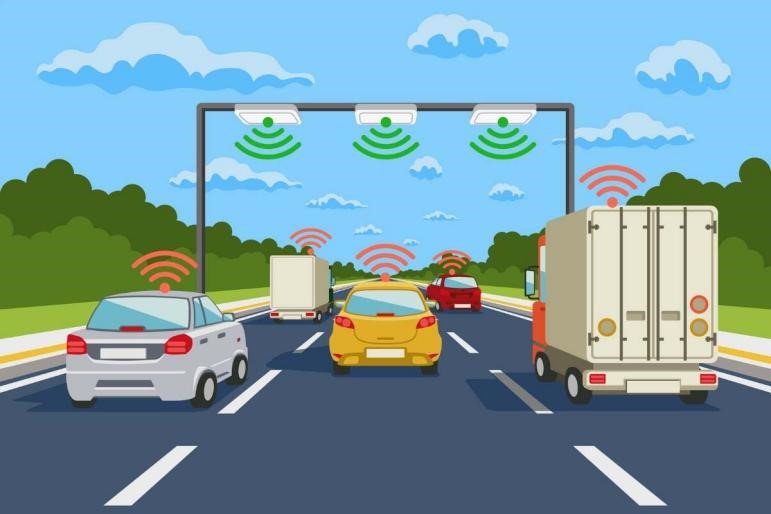
Against the backdrop of accelerated urbanization and a surge in motor vehicle ownership, traditional traffic management models face pain points such as low efficiency and difficult control. Specialized tags developed by RFID tag manufacturers for traffic scenarios, such as RFID License Plate Tag and UHF windshield tags, have been deeply integrated into the entire chain of vehicle control, parking management, and public transportation scheduling.
RFID Tags Powering Smart Traffic Management Upgrade
The global logistics sector is undergoing a transformative shift as RFID logistic labels emerge as the cornerstone of modern supply chain management. At the recently concluded Global Logistics Expo 2025, leading technology providers showcased cutting-edge RFID solutions designed to enhance traceability, reduce operational costs, and meet stringent compliance requirements across industries such as retail, healthcare, and food logistics.
RFID Logistic Labels Revolutionize Supply Chain Efficiency

In the era of Industry 4.0,RFID labels have emerged as a cornerstone of intelligent supply chain management, asset tracking, and consumer engagement. These compact devices, embedded with microchips and antennas, enable wireless data transmission, offering unparalleled efficiency compared to traditional barcodes. From retail to healthcare, RFID labels are revolutionizing operations across diverse sectors.
RFID Fin Tag Revolutionizes Retail Inventory Management
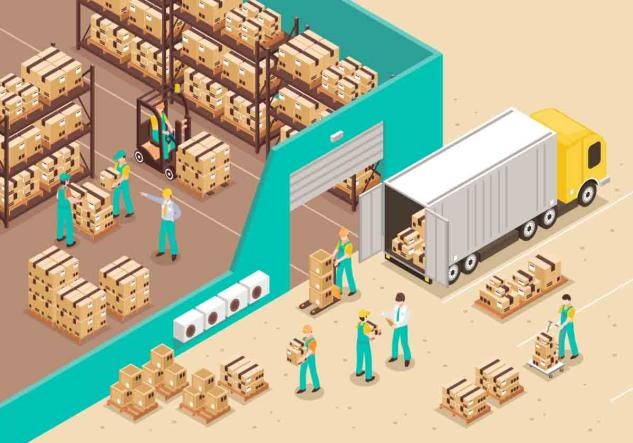
Relying on the advantages of batch identification of multiple tags and non-contact reading, RFID technology has realized the intelligent upgrading of the entire logistics link. Among them, the RFID UHF tags and RFID UHF tire tags developed by RFID tag manufacturers for logistics scenarios have solved the pain points of package management and transportation safety respectively, becoming a key support for smart logistics.
Application of RFID Tags in Express Logistics Industry