
RFID in Healthcare
author: admin
2025-07-11
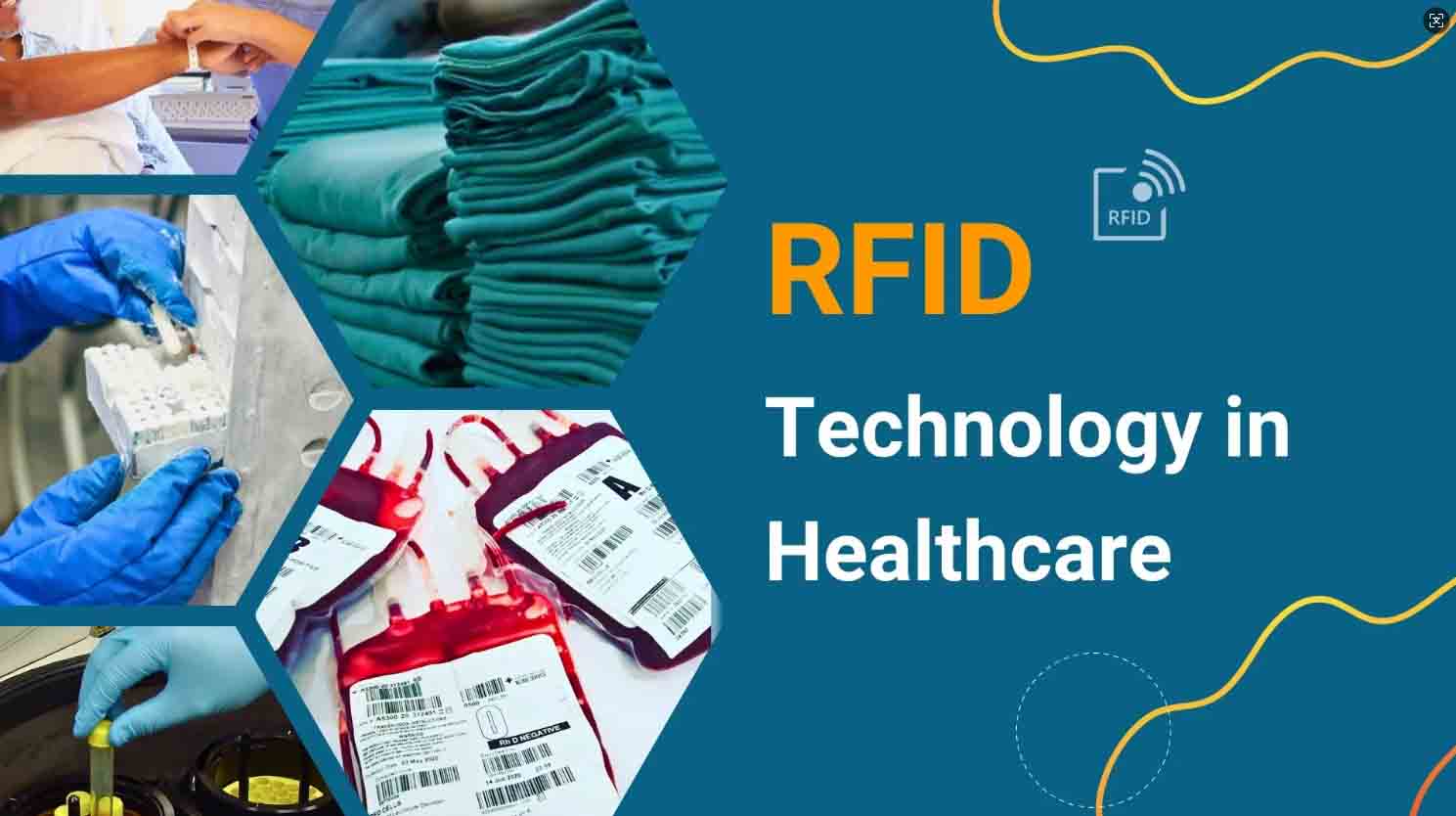
RFID in Healthcare
The healthcare industry is embracing cutting-edge technologies to enhance patient safety, streamline workflows, and reduce costs. Among these innovations, RFID labels are emerging as a transformative tool, offering unprecedented precision in tracking medical assets, managing inventory, and improving patient outcomes.
What Are RFID Tags
RFID UHF tags are small electronic devices that use radio waves to transmit data wirelessly to a reader. Unlike traditional barcodes, UHF RFID tags do not require line-of-sight scanning and can store vast amounts of information, making them ideal for dynamic healthcare environments.
Key Applications in Healthcare
1. Asset Tracking and Management
Hospitals lose millions annually due to misplaced or underutilized equipment. RFID stickers enable real-time tracking of critical assets like infusion pumps, wheelchairs, and surgical tools, reducing search time and optimizing resource allocation.
2. Patient Safety and Identification
RFID wristbands ensure accurate patient identification, minimizing errors in medication administration, blood transfusions, and surgeries. They also help monitor high-risk patients, such as those with dementia, by triggering alerts if they wander beyond designated areas.
3. Medication and Supply Chain Control
From tracking drug expiration dates to monitoring inventory levels in real time, RFID systems prevent stockouts and reduce waste. Hospitals can automate replenishment processes, ensuring lifesaving supplies are always available.
4. Sterilization Compliance
UHF RFID tags attached to surgical instruments track sterilization cycles, ensuring compliance with hygiene protocols and reducing infection risks.
Benefits Driving Adoption
- Enhanced Efficiency: Automating manual processes saves time for healthcare staff.
- Error Reduction: Accurate data capture minimizes human mistakes.
- Cost Savings: Lower equipment loss and optimized inventory cut operational expenses.
- Improved Patient Care: Faster access to equipment and precise treatment boosts outcomes.
Challenges and Considerations
While promising, RFID adoption faces hurdles:
- Privacy Concerns: Sensitive patient data requires robust cybersecurity measures.
- Initial Costs: Implementing RFID infrastructure demands upfront investment.
- Interference Issues: Metallic surfaces or dense environments can disrupt signals.
The Future of RFID in Healthcare
Experts predict RFID integration with IoT and AI for predictive analytics, such as anticipating equipment maintenance needs. Advances in biodegradable and RFID tags UHF could further expand applications in implantable devices or smart pills.
Conclusion
RFID technology is no longer a futuristic concept—it’s a present-day solution reshaping healthcare delivery. As hospitals prioritize efficiency and patient-centric care, RFID tags will play an increasingly vital role in building smarter, safer medical ecosystems.
RFID Tags Boost Supply Chain Efficiency, Reducing Costs and Delays
RFID Technology Revolutionizes Food Traceability: A Transparent Journey from Farm to Fork
Related Article
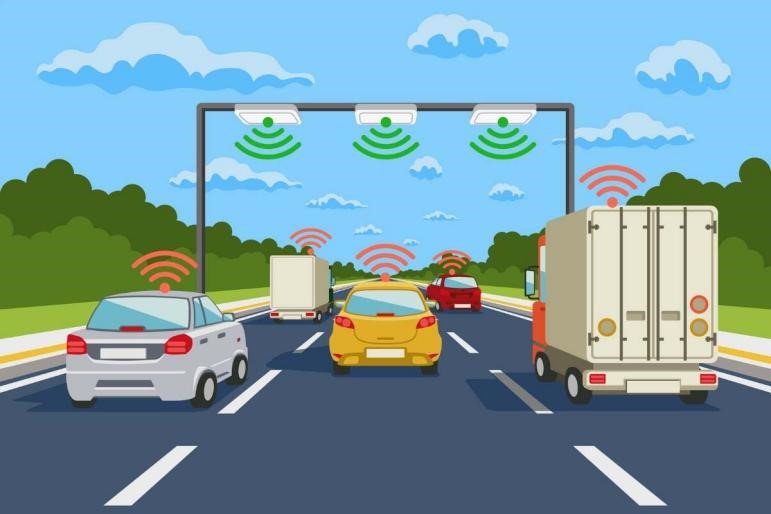
Against the backdrop of accelerated urbanization and a surge in motor vehicle ownership, traditional traffic management models face pain points such as low efficiency and difficult control. Specialized tags developed by RFID tag manufacturers for traffic scenarios, such as RFID License Plate Tag and UHF windshield tags, have been deeply integrated into the entire chain of vehicle control, parking management, and public transportation scheduling.
RFID Tags Powering Smart Traffic Management Upgrade
The global logistics sector is undergoing a transformative shift as RFID logistic labels emerge as the cornerstone of modern supply chain management. At the recently concluded Global Logistics Expo 2025, leading technology providers showcased cutting-edge RFID solutions designed to enhance traceability, reduce operational costs, and meet stringent compliance requirements across industries such as retail, healthcare, and food logistics.
RFID Logistic Labels Revolutionize Supply Chain Efficiency

In the era of Industry 4.0,RFID labels have emerged as a cornerstone of intelligent supply chain management, asset tracking, and consumer engagement. These compact devices, embedded with microchips and antennas, enable wireless data transmission, offering unparalleled efficiency compared to traditional barcodes. From retail to healthcare, RFID labels are revolutionizing operations across diverse sectors.
RFID Fin Tag Revolutionizes Retail Inventory Management

Relying on the advantages of batch identification of multiple tags and non-contact reading, RFID technology has realized the intelligent upgrading of the entire logistics link. Among them, the RFID UHF tags and RFID UHF tire tags developed by RFID tag manufacturers for logistics scenarios have solved the pain points of package management and transportation safety respectively, becoming a key support for smart logistics.
Application of RFID Tags in Express Logistics Industry