
Barcode vs RFID Tag: Which is the Best Identification Technology for Your Logistics Needs?
author: admin
2024-10-21

Barcode vs RFID Tag: Which is the Best Identification Technology for Your Logistics Needs?
Barcode and RFID tag are widely used identification technologies in logistics industry nowadays. A Barcode is a two-dimensional graphical code made up of black-and-white squares which can be read by scanning tools to get the information it contains. On the other hand, RFID (radio-frequency identification) is a special data transfer technology that can transfer data between devices and tags without line of sight. The two technologies have different application scenarios with their own advantages and disadvantages.
Barcode can be read by various types of scanning devices such as smartphones, cameras and so on, therefore it can be used in a wide range of applications. The label can be scanned for identification and tracking of items, vehicles, equipment etc. to ensure their correct management and tracing. The advantages of Barcode are that they are simple and easy to use, and at low cost. It can be used in large-scale applications such as commodity management and cargo tracking in large supermarkets. Also, Barcode have been applied to the cow ear benefit, which can be used in the farm.

However, Barcode still have some limitations. Firstly, since the Barcode is a two-dimensional surface marker, it can only identify one item without distinction. Secondly, its reading and writing distance is only a few centimeters. The traditional handheld scanner needs to be aligned with the Barcode, and the scanning accuracy is difficult to guarantee under dynamic conditions. Thirdly, in harsh environments such as high temperature, high humidity, or a lot of dust, the Barcode reading rate will also drop.
In contrast, RFID tags can communicate wirelessly with the reader through radio frequency, so they are more flexible. With the tag not placed in line of sight, the tag can be placed in some items and the advantages of RFID tags can be reflected in blind spots or environments where direct scanning is not possible. UHF RFID tag can also identify and track multiple items at the same time, meaning they can be used in different scenarios.

However, RFID tags are more expensive, so they are not suitable for some smaller companies. Also, the reading distance of RFID HF tag is relatively short at high frequency which are easy to interfere with, and even with anti-interference settings, RFID transmission errors can easily occur in some scenarios such as magnetic environments, large amounts of frequently moving items or the presence of other wireless devices in the environment.
In summary, Barcode and RFID tag each have their own advantages and disadvantages, and they are used in different application scenarios. Therefore, logistics companies should choose systems and technologies that are more suitable for their needs and budgets based on their specific needs and scenarios.
On-Metal RFID Tags Revolutionize Asset Management Solutions
RFID tag manufacturer KYRPLINK releases new UHF anti liquid tag for the retail, wine management, and medical industries
Related Article
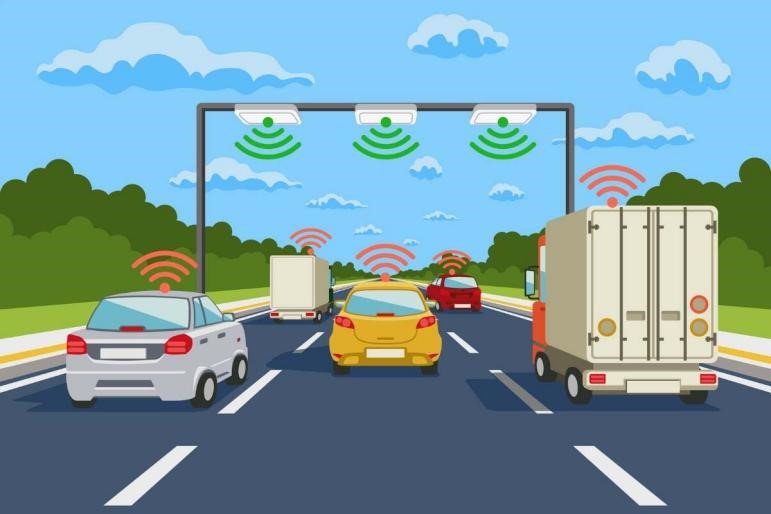
Against the backdrop of accelerated urbanization and a surge in motor vehicle ownership, traditional traffic management models face pain points such as low efficiency and difficult control. Specialized tags developed by RFID tag manufacturers for traffic scenarios, such as RFID License Plate Tag and UHF windshield tags, have been deeply integrated into the entire chain of vehicle control, parking management, and public transportation scheduling.
RFID Tags Powering Smart Traffic Management Upgrade
The global logistics sector is undergoing a transformative shift as RFID logistic labels emerge as the cornerstone of modern supply chain management. At the recently concluded Global Logistics Expo 2025, leading technology providers showcased cutting-edge RFID solutions designed to enhance traceability, reduce operational costs, and meet stringent compliance requirements across industries such as retail, healthcare, and food logistics.
RFID Logistic Labels Revolutionize Supply Chain Efficiency

In the era of Industry 4.0,RFID labels have emerged as a cornerstone of intelligent supply chain management, asset tracking, and consumer engagement. These compact devices, embedded with microchips and antennas, enable wireless data transmission, offering unparalleled efficiency compared to traditional barcodes. From retail to healthcare, RFID labels are revolutionizing operations across diverse sectors.
RFID Fin Tag Revolutionizes Retail Inventory Management
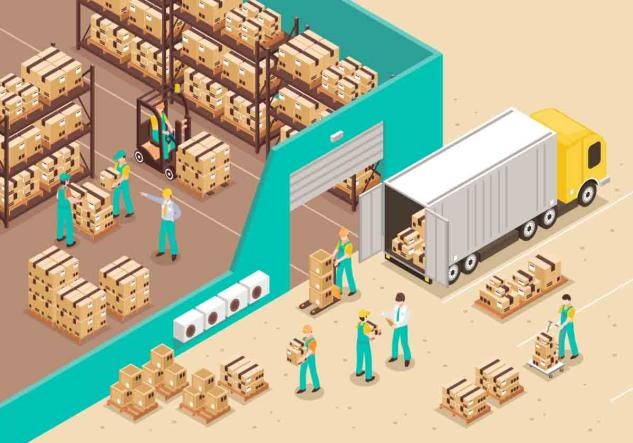
Relying on the advantages of batch identification of multiple tags and non-contact reading, RFID technology has realized the intelligent upgrading of the entire logistics link. Among them, the RFID UHF tags and RFID UHF tire tags developed by RFID tag manufacturers for logistics scenarios have solved the pain points of package management and transportation safety respectively, becoming a key support for smart logistics.
Application of RFID Tags in Express Logistics Industry