
Analysis of RFID Application Scenarios in the Automotive Industry
author: admin
2025-05-05
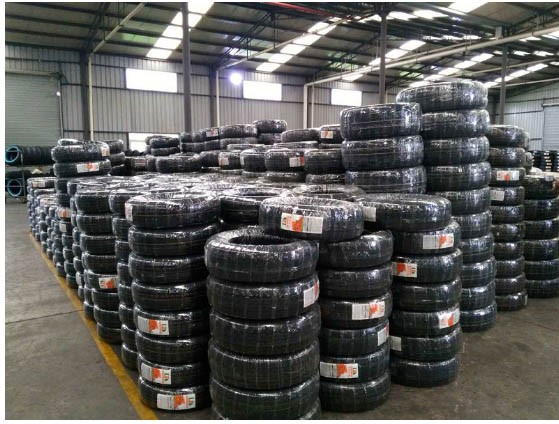
Analysis of RFID Application Scenarios in the Automotive Industry
With the rapid development of Internet of Things (IoT) technology, RFID (Radio Frequency Identification) technology is increasingly being applied in the automotive industry, bringing significant efficiency improvements and intelligent transformations to production, logistics, after-sales services, and other sectors. As a non-contact automatic identification technology, RFID enables rapid identification and data collection of target objects through radio waves, injecting new vitality into the automotive industry.
Introduction to RFID Technology
RFID technology consists of RFID UHF tags, RFID readers, and backend systems, enabling automatic identification and data collection without physical contact. Compared to traditional barcodes, RFID offers advantages such as longer reading distances, larger storage capacity, and stronger anti-interference capabilities, making it particularly suitable for the complex environments of the automotive industry.
Applications in Production and Manufacturing
In the automotive production and manufacturing process, RFID technology is widely used for tracking and managing components. By embedding RFID tags in components, companies can monitor the flow and status of parts in real-time, ensuring smooth production line operations. For example, after introducing RFID technology on its production line, an automotive manufacturer saw a 30% improvement in component identification and sorting efficiency while reducing human errors. Additionally, RFID technology can record production data for each component, supporting quality traceability.
Logistics and Supply Chain Management
The application of RFID technology in automotive logistics and supply chain management has significantly improved transportation efficiency and inventory management. By installing RFID Tire Tags on vehicles, components, and containers, companies can track the location and status of goods in real-time, optimize transportation routes, and reduce losses and damages during transit. For instance, an automotive component supplier reduced its inventory counting time from several days to just a few hours with 99.9% accuracy after adopting RFID technology. Furthermore, RFID technology enables automated warehouse management, enhancing storage efficiency.
Intelligent Upgrades in After-Sales Services
In the after-sales service sector, RFID technology provides intelligent solutions for vehicle maintenance and repair. By installing RFID UHF Tire Tags on each vehicle, maintenance personnel can quickly access historical repair records and component information, improving repair efficiency. For example, a car dealership reduced average repair time by 20% and significantly increased customer satisfaction after implementing RFID technology. Additionally, RFID technology helps vehicle owners monitor their car's health in real-time, providing early warnings for potential issues and extending the vehicle's lifespan.
Smart Transportation and Vehicle Management
RFID technology is also maturing in the fields of smart transportation and vehicle management. By installing UHF Tire Tags on vehicles, traffic management departments can achieve automatic vehicle identification and traffic management, improving transportation efficiency. For example, a city reduced vehicle passing time by 50% and effectively alleviated traffic congestion after introducing RFID technology at highway toll stations. Moreover, RFID technology can be used for vehicle anti-theft and tracking, reducing the risk of vehicle theft.
Future Outlook
As RFID technology continues to mature, its applications in the automotive industry will become more extensive and in-depth. In the future, RFID technology is expected to integrate with advanced technologies such as artificial intelligence and big data, further driving the digital transformation of the automotive industry. For example, by analyzing data collected by RFID, companies can more accurately predict market demand, optimize product design, and enhance market competitiveness.
In conclusion, RFID technology is bringing unprecedented changes to the automotive industry, improving efficiency and intelligence levels from production to logistics, after-sales services, and smart transportation. With the widespread adoption of the technology, the automotive industry is poised for a more efficient, intelligent, and sustainable future.
RFID on metal Tags for asset tracking management
The Role of RFID Tags in the Medical Field
Related Article

Against the backdrop of accelerated urbanization and a surge in motor vehicle ownership, traditional traffic management models face pain points such as low efficiency and difficult control. Specialized tags developed by RFID tag manufacturers for traffic scenarios, such as RFID License Plate Tag and UHF windshield tags, have been deeply integrated into the entire chain of vehicle control, parking management, and public transportation scheduling.
RFID Tags Powering Smart Traffic Management Upgrade
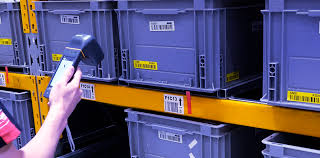
The global logistics sector is undergoing a transformative shift as RFID logistic labels emerge as the cornerstone of modern supply chain management. At the recently concluded Global Logistics Expo 2025, leading technology providers showcased cutting-edge RFID solutions designed to enhance traceability, reduce operational costs, and meet stringent compliance requirements across industries such as retail, healthcare, and food logistics.
RFID Logistic Labels Revolutionize Supply Chain Efficiency

In the era of Industry 4.0,RFID labels have emerged as a cornerstone of intelligent supply chain management, asset tracking, and consumer engagement. These compact devices, embedded with microchips and antennas, enable wireless data transmission, offering unparalleled efficiency compared to traditional barcodes. From retail to healthcare, RFID labels are revolutionizing operations across diverse sectors.
RFID Fin Tag Revolutionizes Retail Inventory Management

Relying on the advantages of batch identification of multiple tags and non-contact reading, RFID technology has realized the intelligent upgrading of the entire logistics link. Among them, the RFID UHF tags and RFID UHF tire tags developed by RFID tag manufacturers for logistics scenarios have solved the pain points of package management and transportation safety respectively, becoming a key support for smart logistics.
Application of RFID Tags in Express Logistics Industry