
RFID UHF laundry tags have completed the intelligent revolution of linen laundry
author: admin
2025-07-21
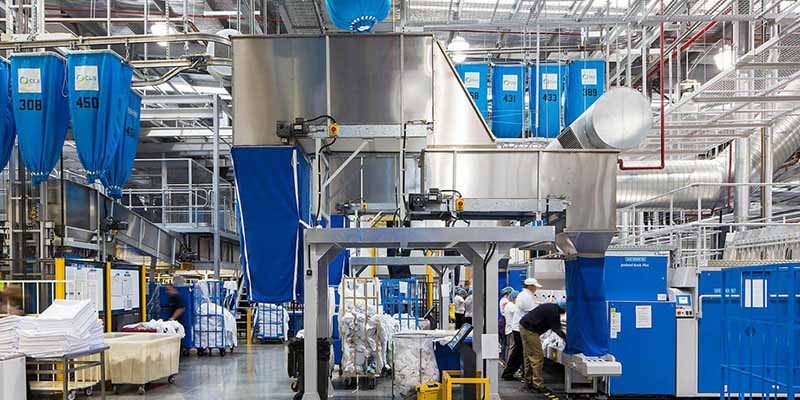
RFID UHF laundry tags have completed the intelligent revolution of linen laundry
The application of RFID (Radio Frequency Identification) technology in the linen laundry industry is revolutionizing traditional laundry management methods. RFID tag manufacturers develop washable tags in various sizes. By embedding miniature UHF washable tag in linens, this technology enables end-to-end tracking and intelligent management of each piece of linen.
1. Inventory Management and Tracking
RFID laundry tags provide linens with unique electronic identifiers. Each tag stores a unique ID number that can precisely record attribute information such as type, size, purchase date, etc. Laundry facilities can quickly scan entire carts of linens using RFID readers, completing inventory registration in seconds, significantly improving work efficiency. Compared to traditional manual counting methods, RFID technology reduces inventory time by over 90%.
2. Washing Process Monitoring
During the washing process, UHF laundry tags can withstand high temperatures, high pressure, and chemical detergents. Through RFID UHF readers installed on washing equipment, the system can automatically record the washing count, washing programs used, and washing time for each piece of linen. This data helps optimize washing processes, ensuring linens receive appropriate treatment. When a piece of linen reaches a preset washing count limit, the system will automatically prompt for replacement, avoiding quality degradation due to overuse.
3. Quality Control and Lifecycle Management
RFID technology enables laundry facilities to establish complete linen lifecycle records. By analyzing historical data, managers can evaluate the durability of different linen brands and optimize purchasing decisions. The system can also predict remaining linen lifespan based on washing counts and usage, allowing for advance replacement planning and avoiding supply shortages due to sudden linen.
4. Loss Prevention and Theft Deterrence
One of the biggest challenges in traditional linen management is high loss rates. RFID technology installed at linen exits can automatically record linen flow. If a piece of linen is taken out without authorization, the system will immediately sound an alarm. Some advanced systems can integrate with hotel property management systems to track linen circulation within the hotel.
5. Automated Sorting
Sorting washed linens is time-consuming work. RFID systems can automatically identify linen types and classify them into correct areas. This not only improves sorting efficiency but also reduces human errors. Some advanced laundry facilities have implemented fully automated sorting lines where linens are automatically identified and directed to appropriate areas as they pass through conveyors.
6. Customer Service and Transparency
RFID systems can generate detailed washing reports, providing customers with transparent service data. Hotel clients can query their linens' washing history, current status, and location at any time. This transparency enhances customer trust and provides data support for continuous service quality improvement.
7. Cost Savings and Environmental Protection
Through precise linen management, RFID technology helps laundry facilities and hotel clients significantly reduce costs associated with linen loss and premature replacement. Statistics show that laundry facilities using RFID management can reduce linen loss rates from 15-20% to below 2%. Meanwhile, optimized washing cycles also reduce water, electricity, and detergent consumption, achieving a win-win situation for economic benefits and environmental protection.
RFID tag Revolutionizing Multiple Industries with Advanced Tracking and Management Solutions
RFID: The "Smart Engine" of Express Logistics—300% Efficiency Boost, Near-Zero Package Loss
Related Article
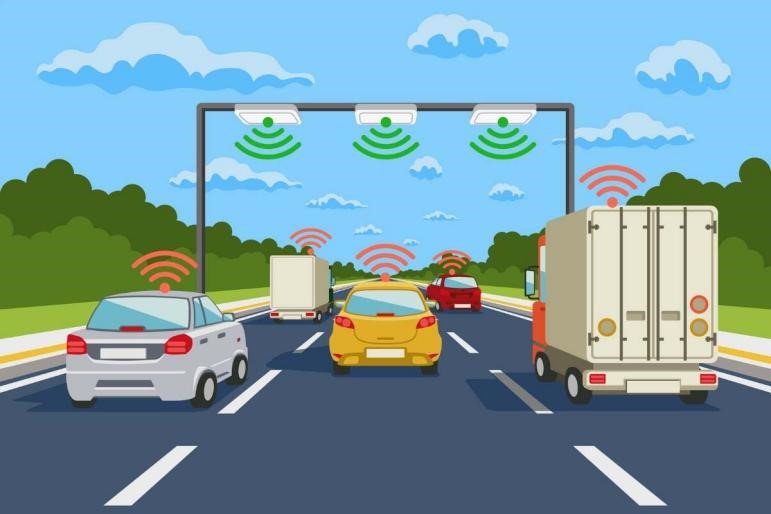
Against the backdrop of accelerated urbanization and a surge in motor vehicle ownership, traditional traffic management models face pain points such as low efficiency and difficult control. Specialized tags developed by RFID tag manufacturers for traffic scenarios, such as RFID License Plate Tag and UHF windshield tags, have been deeply integrated into the entire chain of vehicle control, parking management, and public transportation scheduling.
RFID Tags Powering Smart Traffic Management Upgrade
The global logistics sector is undergoing a transformative shift as RFID logistic labels emerge as the cornerstone of modern supply chain management. At the recently concluded Global Logistics Expo 2025, leading technology providers showcased cutting-edge RFID solutions designed to enhance traceability, reduce operational costs, and meet stringent compliance requirements across industries such as retail, healthcare, and food logistics.
RFID Logistic Labels Revolutionize Supply Chain Efficiency

In the era of Industry 4.0,RFID labels have emerged as a cornerstone of intelligent supply chain management, asset tracking, and consumer engagement. These compact devices, embedded with microchips and antennas, enable wireless data transmission, offering unparalleled efficiency compared to traditional barcodes. From retail to healthcare, RFID labels are revolutionizing operations across diverse sectors.
RFID Fin Tag Revolutionizes Retail Inventory Management
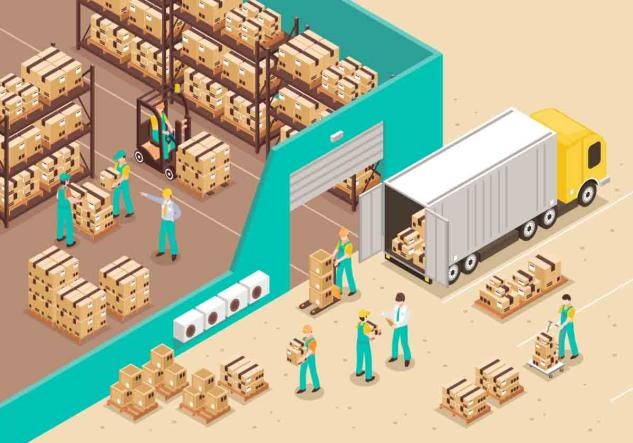
Relying on the advantages of batch identification of multiple tags and non-contact reading, RFID technology has realized the intelligent upgrading of the entire logistics link. Among them, the RFID UHF tags and RFID UHF tire tags developed by RFID tag manufacturers for logistics scenarios have solved the pain points of package management and transportation safety respectively, becoming a key support for smart logistics.
Application of RFID Tags in Express Logistics Industry