
RFID Tags Drive Diversified Inventory Management Strategies Across Industries
author: admin
2025-10-23
RFID Tags Drive Diversified Inventory Management Strategies Across Industries
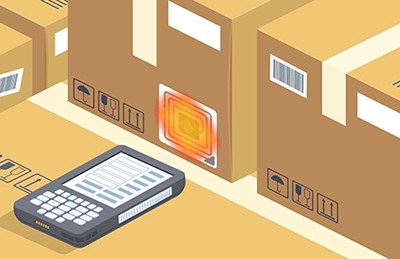
In an era where supply chain agility determines market competitiveness, RFID technology has emerged as a cornerstone for diversified inventory management. From retail giants to military logistics, RFID tags are enabling businesses to transcend traditional barcode limitations, offering real-time visibility, error-free tracking, and cost-optimized operations.
Retail Revolution: Walmart RFID Tag-Powered Efficiency
Global retail leader Walmart has set a benchmark by integrating RFID tags into its pallet-level inventory systems. By automating tracking across distribution centers, the company reduced manual labor hours by up to 95% and slashed stock discrepancies. RFID-enabled “Buy Online, Pick Up In-Store” (BOPIS) services now achieve 99% order accuracy, even during peak holiday seasons. “RFID tags eliminate human errors in counting and locating items,” said a Walmart supply chain executive. “This translates to faster restocking, fewer stockouts, and enhanced customer trust.”
Healthcare Precision: Hospitals Cut Errors, Boost Safety
Medical institutions are leveraging RFID for patient safety and asset optimization. The U.S. Department of Veterans Affairs deployed RFID UHF tags on surgical instruments, reducing misplacement incidents by 80% and cutting sterilization costs. Similarly, Washington University Medical Center tracks high-value equipment like ventilators and defibrillators in real time, ensuring availability during emergencies. “RFID provides a layer of accountability that barcodes simply cannot match,” noted a hospital logistics manager.
Military Logistics: U.S. Air Force Enhances Readiness
The 52nd Logistics Readiness Squadron at Spangdahlem Air Base, Germany, uses RFID tags to monitor individual protective equipment (IPE) and chemical-biological-radiological-nuclear (CBRN) gear. By tracking lot numbers, expiration dates, and usage history, the system ensures compliance with strict safety protocols. During degraded operations—when standard supply chains fail—RFID-enabled mobile readers maintain inventory accuracy without internet connectivity. “This technology is mission-critical for rapid deployment scenarios,” said a squadron officer.
Manufacturing & Beyond: From Cars to Clothing
Automakers like Toyota are embedding Clothing RFID tags in vehicle components to streamline assembly lines, while fashion brands such as Zara use them to prevent counterfeiting and optimize replenishment. In the automotive sector, RFID tags track parts from suppliers to factory floors, reducing production delays by 30%. Meanwhile, luxury companies are adopting RFID for anti-theft and authentication, with tags embedded in handbags and watches to verify authenticity via smartphone scans.
Challenges & Future Outlook
Despite its promise, RFID adoption faces hurdles. Initial setup costs for tags and readers remain a barrier for small businesses, though prices have dropped by 60% since 2020. Privacy concerns also linger, particularly in healthcare, where patient data security is paramount. However, advancements in blockchain-secured RFID tags and standardized protocols (e.g., EPCglobal’s Gen 2v2) are addressing these issues.
Industry experts predict RFID will become ubiquitous by 2030, with tags embedded in everyday items like food packaging and pharmaceuticals. “The future is about seamless connectivity,” said a GS1 analyst. “RFID will merge with 5G, IoT, and edge computing to create autonomous supply chains.”
As businesses seek resilience in a volatile global economy, RFID tags are proving indispensable—not just for tracking goods, but for transforming entire industries.
Can RFID Tags Revolutionize Forestry Management
New Choice for Tool Management RFID Tag Application Cuts Costs and Boosts Efficiency
Related Article
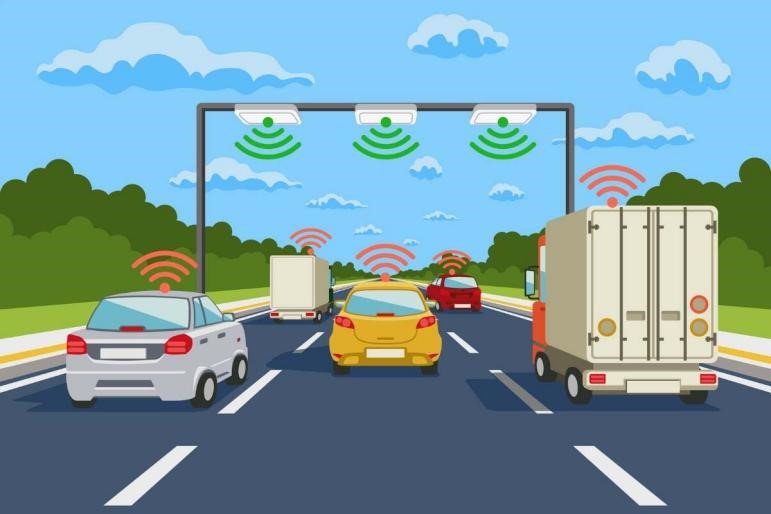
Against the backdrop of accelerated urbanization and a surge in motor vehicle ownership, traditional traffic management models face pain points such as low efficiency and difficult control. Specialized tags developed by RFID tag manufacturers for traffic scenarios, such as RFID License Plate Tag and UHF windshield tags, have been deeply integrated into the entire chain of vehicle control, parking management, and public transportation scheduling.
RFID Tags Powering Smart Traffic Management Upgrade
The global logistics sector is undergoing a transformative shift as RFID logistic labels emerge as the cornerstone of modern supply chain management. At the recently concluded Global Logistics Expo 2025, leading technology providers showcased cutting-edge RFID solutions designed to enhance traceability, reduce operational costs, and meet stringent compliance requirements across industries such as retail, healthcare, and food logistics.
RFID Logistic Labels Revolutionize Supply Chain Efficiency

In the era of Industry 4.0,RFID labels have emerged as a cornerstone of intelligent supply chain management, asset tracking, and consumer engagement. These compact devices, embedded with microchips and antennas, enable wireless data transmission, offering unparalleled efficiency compared to traditional barcodes. From retail to healthcare, RFID labels are revolutionizing operations across diverse sectors.
RFID Fin Tag Revolutionizes Retail Inventory Management
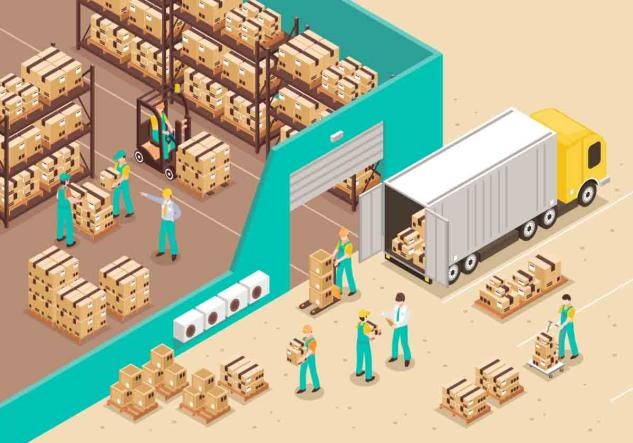
Relying on the advantages of batch identification of multiple tags and non-contact reading, RFID technology has realized the intelligent upgrading of the entire logistics link. Among them, the RFID UHF tags and RFID UHF tire tags developed by RFID tag manufacturers for logistics scenarios have solved the pain points of package management and transportation safety respectively, becoming a key support for smart logistics.
Application of RFID Tags in Express Logistics Industry