
The Role of Washable RFID Tags in Laundry Industry
author: admin
2025-04-14
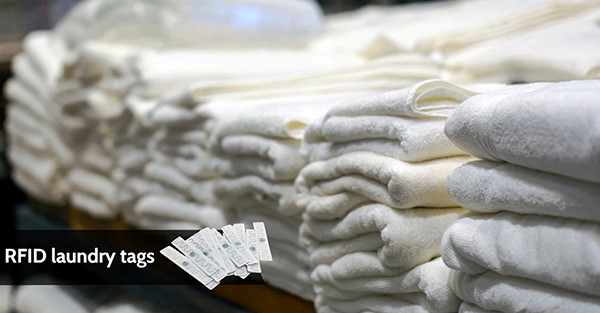
The Role of Washable RFID Tags in Laundry Industry
In a significant leap forward for the laundry and textile management sector, washable RFID tags are transforming the way businesses handle garment tracking, inventory management, and operational efficiency. These durable, high-tech tags are designed to withstand the rigors of industrial washing, drying, and ironing, making them an indispensable tool for laundries, hotels, hospitals, and uniform rental services.
Enhanced Efficiency and Accuracy
Traditional methods of tracking garments, such as barcodes or manual checks, are time-consuming and prone to errors. RFID Washable tags, however, enable automated, real-time tracking of individual items throughout the laundry process. By embedding these tags into clothing, linens, or uniforms, businesses can quickly scan and identify items, reducing the risk of loss, misplacement, or theft. This level of precision ensures that customers receive the correct items promptly, enhancing satisfaction and trust.
Durability in Harsh Conditions
One of the standout features of RFID laundry tags is their ability to endure extreme conditions. These tags are engineered to withstand high temperatures, harsh detergents, and repeated washing cycles without compromising functionality. This durability ensures a long lifespan, reducing the need for frequent replacements and lowering operational costs. Additionally, the tags are resistant to moisture, chemicals, and physical wear, making them ideal for industries with demanding laundry requirements.
Streamlined Inventory Management
For businesses managing large volumes of textiles, maintaining accurate inventory records can be a daunting task. RFID UHF laundry tags simplify this process by providing real-time data on the location and status of each item. Laundries can monitor the lifecycle of garments, track usage patterns, and optimize stock levels, reducing waste and improving resource allocation. This data-driven approach also enables predictive maintenance, ensuring that worn-out items are replaced before they become a liability.
Sustainability and Cost Savings
The adoption of washable tags aligns with the growing emphasis on sustainability in the laundry industry. By minimizing garment loss and extending the lifespan of textiles, businesses can reduce their environmental footprint. Furthermore, the efficiency gains from RFID technology translate into significant cost savings, as fewer resources are wasted on manual labor, misplaced items, or unnecessary replacements.
Applications Across Industries
The versatility of UHF laundry tags makes them suitable for a wide range of applications. In the hospitality sector, hotels can use these tags to manage linens and uniforms, ensuring a seamless guest experience. In healthcare, hospitals can track patient gowns, surgical scrubs, and linens, maintaining hygiene and compliance with industry standards. Uniform rental services can also benefit from improved tracking and inventory management, enhancing service delivery and customer satisfaction.
Future Prospects
As technology continues to evolve, washable RFID tags are expected to become even more advanced, with features such as enhanced data storage, improved scanning range, and integration with IoT (Internet of Things) systems. These advancements will further streamline laundry operations, paving the way for a smarter, more efficient industry.
In conclusion, Laundry tag are revolutionizing the laundry industry by offering unparalleled durability, efficiency, and sustainability. As more businesses embrace this innovative technology, the future of textile management looks brighter than ever.
How to Properly Choose the Right RFID Tag
RFID will be applied in what field in the near future
Related Article

Against the backdrop of accelerated urbanization and a surge in motor vehicle ownership, traditional traffic management models face pain points such as low efficiency and difficult control. Specialized tags developed by RFID tag manufacturers for traffic scenarios, such as RFID License Plate Tag and UHF windshield tags, have been deeply integrated into the entire chain of vehicle control, parking management, and public transportation scheduling.
RFID Tags Powering Smart Traffic Management Upgrade
The global logistics sector is undergoing a transformative shift as RFID logistic labels emerge as the cornerstone of modern supply chain management. At the recently concluded Global Logistics Expo 2025, leading technology providers showcased cutting-edge RFID solutions designed to enhance traceability, reduce operational costs, and meet stringent compliance requirements across industries such as retail, healthcare, and food logistics.
RFID Logistic Labels Revolutionize Supply Chain Efficiency

In the era of Industry 4.0,RFID labels have emerged as a cornerstone of intelligent supply chain management, asset tracking, and consumer engagement. These compact devices, embedded with microchips and antennas, enable wireless data transmission, offering unparalleled efficiency compared to traditional barcodes. From retail to healthcare, RFID labels are revolutionizing operations across diverse sectors.
RFID Fin Tag Revolutionizes Retail Inventory Management

Relying on the advantages of batch identification of multiple tags and non-contact reading, RFID technology has realized the intelligent upgrading of the entire logistics link. Among them, the RFID UHF tags and RFID UHF tire tags developed by RFID tag manufacturers for logistics scenarios have solved the pain points of package management and transportation safety respectively, becoming a key support for smart logistics.
Application of RFID Tags in Express Logistics Industry